Among the many investment options, real estate has always been favored by investors because of its stability and value retention potential. However, the rate of return can vary greatly from one region to another and from one type of property to another. How to find the best return on investment real estate among the many options is a concern for every investor.
In this article, we will introduce key judgment criteria and practical analysis methods around how to evaluate the return potential of real estate projects.
Hopefully, this will help you make more informed investment decisions in a complex market.
Understanding the Basics of Real Estate ROI
Before deciding whether or not to invest in a property, you need to first clarify the most basic question: what is a worthwhile investment?
Different people have different definitions of what constitutes a good return. But a truly rational judgment is based on understanding and analyzing the return on investment. To better evaluate each opportunity, let’s start with the basics of real estate investment returns.
What is Return on Investment (ROI)?
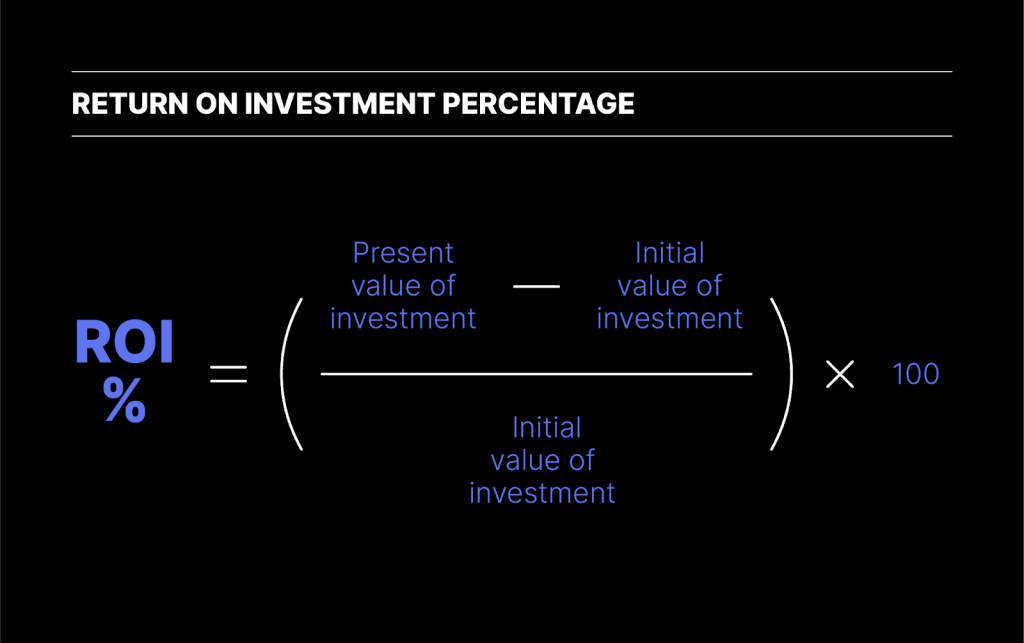
Return on Investment (ROI) is a fundamental tool for evaluating whether real estate is worth investing in. Simply put, it is how much money you make from an investment and how much you get back relative to the cost you put in. The calculation is not complicated: ROI = (net income ÷ total investment) x 100%. The net return here is usually the profit you actually get your hands on after deducting various costs (such as loan interest, maintenance, taxes, etc.).
However, looking at ROI alone is not comprehensive enough. In real estate, you also have to consider cash flow and capital gains. Cash flow is the amount of rent you can receive each month minus expenses, while capital gains are the potential future appreciation gains when you sell your home.
So, an investment that maintains a good cash flow with upside is considered a truly attractive return.
Different Types of Real Estate Returns
After understanding the basic concept of ROI, you also need to realize that the return on real estate is not just a single number but is made up of several different returns.
- Rental Income: This is the most direct and common source of income. By renting out the property, the investor receives a steady cash flow to cover the mortgage, maintenance costs, and other daily expenses.
- Property Appreciation: The market value of a property may rise as market conditions change, as the area develops, or as infrastructure improves. This appreciation is usually realized at the time of sale after a long period of holding.
- Tax Benefits: Certain jurisdictions offer real estate-related tax breaks, such as loan interest deductions and tax credits for property depreciation. Although they do not directly increase cash income, they can effectively reduce the cost of ownership and increase net returns.
How to Assess a Project’s Investment Potential?
At this point, many people may ask, “How exactly do you tell if a house is worth buying?“
With so many projects on the market, with different prices, locations, and types, you really need to evaluate them carefully before making a decision.
Next, let’s talk about what key points you should focus on when looking at a real estate project to determine its investment potential.
Analyzing Location and Neighborhood Support

Location has always been a core factor affecting real estate returns. And how good it is often determines its rental level and future appreciation.
Generally speaking, areas close to the city center, with more job opportunities and convenient living conditions, have more stable rents and lower vacancy rates and are more likely to increase in value in the future.
Therefore, you can focus on the following aspects when evaluating a specific location.
- Whether the School District Resources Are of High Quality: it will directly affect the long-term stability of the family tenant.
- Whether the Transportation Conditions Are Convenient: for example, whether it is close to the subway, highway, or bus station, which is related to the convenience of commuting.
- Whether There Are Commercial Facilities In the Neighborhood: such as supermarkets, restaurants, hospitals, parks, etc., which will affect the tenant’s living convenience.
A location with a balanced performance in these aspects is usually more attractive for investment.
Calculating Expected Income and Expenses
Before you consider investing, apart from looking at the location, you should also work out the income and expenditure on your books.
You may consider starting with the annual rent, try to understand the rental market of similar properties in the same area, and then combine it with your rental expectation to estimate the rental income for a year. It is recommended that you do not use full rent directly to calculate, and allow a little vacancy period appropriately, which will make the estimate closer to reality.
Then there is the expenses part. Loan interest usually accounts for a larger portion, in addition to property tax, property fees and daily maintenance expenses.
Some people will appoint an agent to manage the property, so you’ll have to factor in the management fees as well. If you list all these expenses and subtract them from the projected income, then you can probably see how much income the house will leave each year.
Using Tools and Data to Make Decisions
After calculating the expected return, if you want to make a more informed judgment, you can use some data tools and professional resources.
Nowadays, there are many online platforms that provide information on regional rent levels, house price trends, and historical transaction records. These data can help you better understand the overall market situation and make a preliminary judgment on whether a certain property meets your investment objectives.
In addition to platform information, you can also refer to market research reports or ask a broker or consultant who is familiar with the local market. This type of professional advice can often fill in details that are not visible in public data, such as future plans, changes in supply and demand, or tenant mix. Maybe it helps you evaluate a project’s potential more fully.
Practical Strategies to Enhance Investment Returns
Once the basic appraisal is complete, do you wonder if there are ways to further enhance your returns beyond picking the right home?
Indeed, there are some practices that can help a property better fulfill its value during the holding and operating process.
Choosing the Right Type of Property
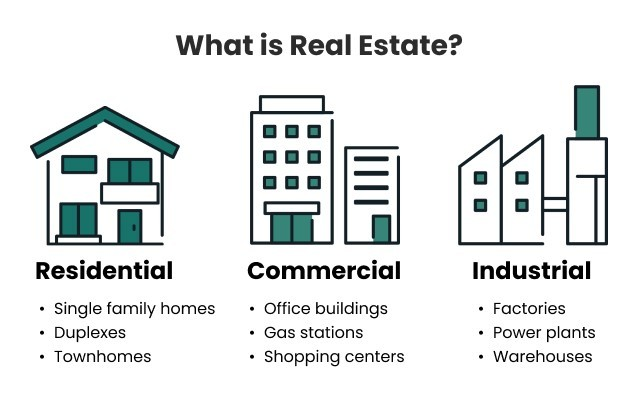
Before you consider boosting your returns, you need to determine which type of property better fits your plans and conditions.
Common types of investments include condominiums, single-family homes, and commercial properties. Apartments usually have a lower total price and centralized management. Most people with limited budgets or those who are just starting out choose this type.
Detached houses, on the other hand, offer more room for appreciation potential and flexibility but also relatively higher maintenance costs and management responsibilities.
As for commercial real estate, while rental income may be more stable, the threshold is high and the vacancy risk and operational requirements are more complex.
You don’t have to look only at the return figures when choosing but rather find the category that matches you, taking into account your own budget, risk tolerance, and future holding strategy. This will make it easier to stabilize long-term returns.
Increasing Property Value
Enhancing returns doesn’t always have to depend on rising market conditions, sometimes working on the property itself can lead to substantial improvements.
Things like repainting the walls, replacing old fixtures, or organizing a more logical layout of the space can enhance the overall look and feel. These might make the house more desirable in the rental market. Even if the rent increase is limited, the rental efficiency tends to be higher.
Also, tenant management itself affects revenue. Instead of changing tenants frequently, focus on stable tenancy and basic communication. Tenants live in peace of mind, the house is maintained, and vacancies and additional costs can be reduced accordingly.
Controlling Costs and Avoiding Common Pitfalls
Good investment planning is not just about returns, but smart investors also care about cost control.
At the financing stage, you need to run through the terms of the loan. The interest rate, the number of years of repayment, and the repayment method will affect the future cash flow performance. If you only look at the monthly payment figures and ignore the overall burden, you may feel the pressure at a later stage.
Moreover, there will inevitably be the need for repairs or replacements during the course of a home’s life. Whether it’s as small as a leaky faucet or as large as a roof repair, the cost usually doesn’t give you advance notice. If you set aside a contingency budget for these types of expenses at the outset, your finances won’t be disrupted by an unexpected problem.
Final Checklist Before Investing
There are some questions that are worth checking several times before you actually decide to invest.
You might start by looking to see if there is a balance between risk and reward. For example, is the project’s expected return significantly higher than similar properties? If it’s just about average, is it worth taking the risk of market fluctuations and vacancy periods? These questions don’t need to be complicated calculations, but they should be in the back of your mind.
The next step is the choice of holding strategy. Do you want to collect rents steadily and increase in value slowly, or do you prefer short-term operation and quick cash? Different approaches correspond to different risks and management pressures. You should pick an approach that suits your pace, rather than just chasing high returns more.
Thoughtful Tip: You may consider making a simple list to sort out all these basic points. It will keep your judgment more grounded and closer to your goals.
Related Reading