The current wave of business closures roughly coincides with the Hong Kong government’s fiscal year-end on March 31. Many companies usually set their fiscal year to end on the same day. In recent years, as the economy has declined, a number of enterprises have announced their official closure on this date.
Among them is the well-known Dah Chong Hong Food Retail, which has been operating under Dah Chong Hong Holdings for 39 years. Facing uncertain external factors and various operational challenges, the company decided to shut down 28 of its food retail stores, affecting nearly a hundred employees.
Similarly, the Gottenburg Restaurant in To Kwa Wan also closed on March 31; and Kam Kee Café, which had been actively expanding in recent years, announced the closure of seven branches in the Northern District.
Is Mainland Spending by Hongkongers a Driving Force Behind the Wave of Closures?
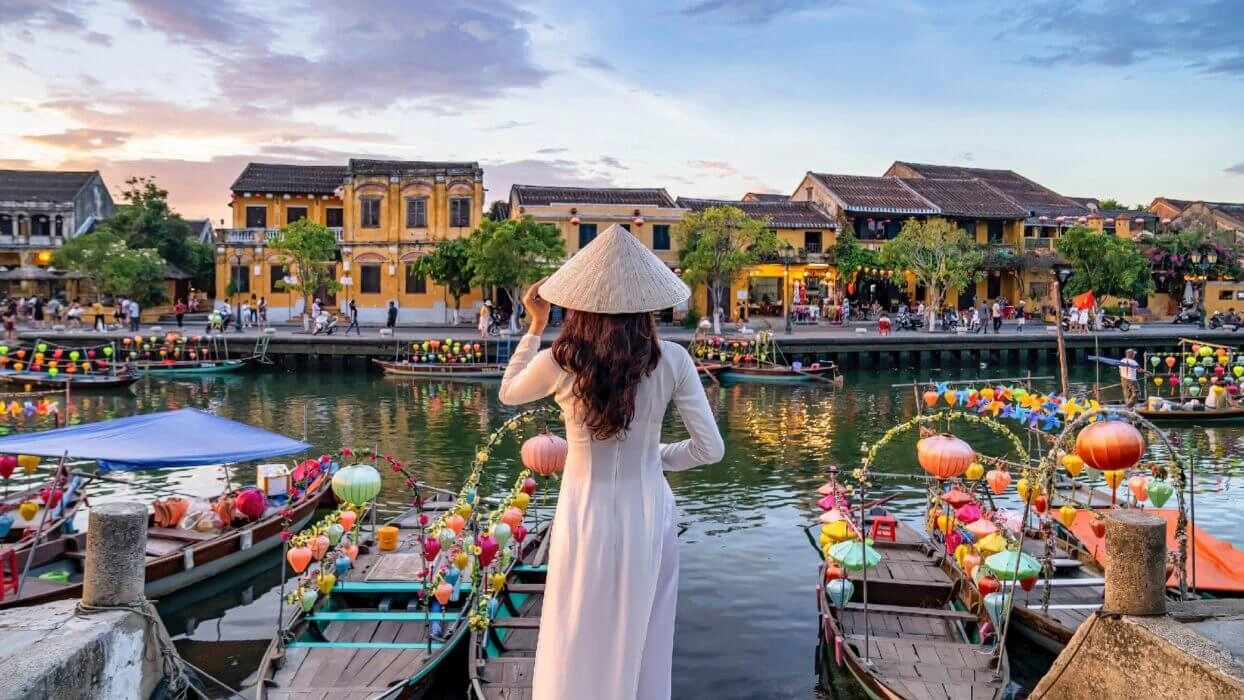
Traveling to the mainland has become a weekend routine for many Hongkongers. Apart from popular destinations like Shenzhen, Zhongshan, and Zhuhai, some “veteran” travelers have even started venturing beyond the Greater Bay Area for weekend getaways to avoid the crowds.
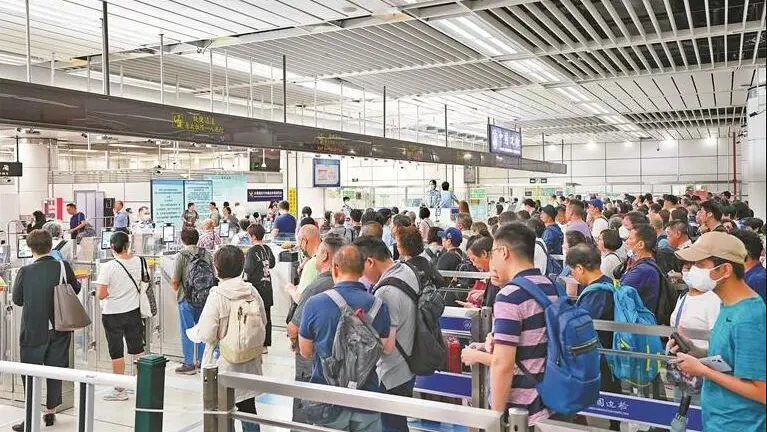
According to preliminary data from the Immigration Department, during the Easter holidays, over 2.27 million Hong Kong residents traveled abroad, while there were only 498,000 incoming visitors. More than 1.9 million Hongkongers went to the mainland, accounting for over 83% of all outbound travelers. Simon Wong, President of the Hong Kong Federation of Restaurants & Related Trades, noted in a radio interview that around 300 restaurants had closed across Hong Kong in the past month, and the closure wave is expected to continue.
These closures not only signify an increase in vacant storefronts but also mean that many families have lost their economic livelihood, affecting the city’s consumption power. Market expectations suggest that Hong Kong’s economy will worsen in the second half of the year. A walk down the once-bustling Park Lane Shopper’s Boulevard in Tsim Sha Tsui last weekend revealed many vacant shops for lease, a telling sign of the severe economic downturn.
The numbers and forecasts reflect the dire situation Hong Kong’s economy is facing—not just in food and beverage or retail, but across various industries, many companies are being forced to cease operations.
Mainland and U.S. Economic Cycles Are Moving in Opposite Directions
Under the trends of persistently high interest rates in the U.S., a strong U.S. dollar, and the economic cycle in mainland China moving opposite to that of the U.S., Hong Kong’s economic and investment environment is becoming increasingly less attractive. Financial strategies must be adjusted to cope with market shifts. Previously, concentrating a large portion of assets in Hong Kong’s property market—whether residential or commercial—was a common strategy. Now, however, it needs to be reconsidered to preserve assets. Otherwise, owning multiple vacant properties not only fails to generate rental income or appreciate in value but also requires monthly mortgage and interest payments, which could quickly deplete one’s savings.
At the end of last month’s International Immigration and Property Expo, many investors inquired about overseas property investments. However, not all were planning to emigrate. Some were simply aiming to invest overseas for asset preservation, growth, and risk diversification.
Readers, Have You Prepared Your Investment Strategy for the Second Half of the Year?
Written by: Bonnie Wu, Founder of Capstone 72
Edited by: Yip Lai Man
Published: 2024/04/13 16:49
Last Updated: 2024/04/13 16:49
Related Reading