1. Introduction
The Malaysian real estate market has attracted a lot of attention from foreign investors in recent years, especially in cities like Kuala Lumpur and Penang.
As an important economy in Southeast Asia, Malaysia’s real estate market not only has considerable appreciation potential, but also has become a popular choice for international investors due to its relatively low entry barriers and policy support.
Advantages of Malaysia’s real estate market:
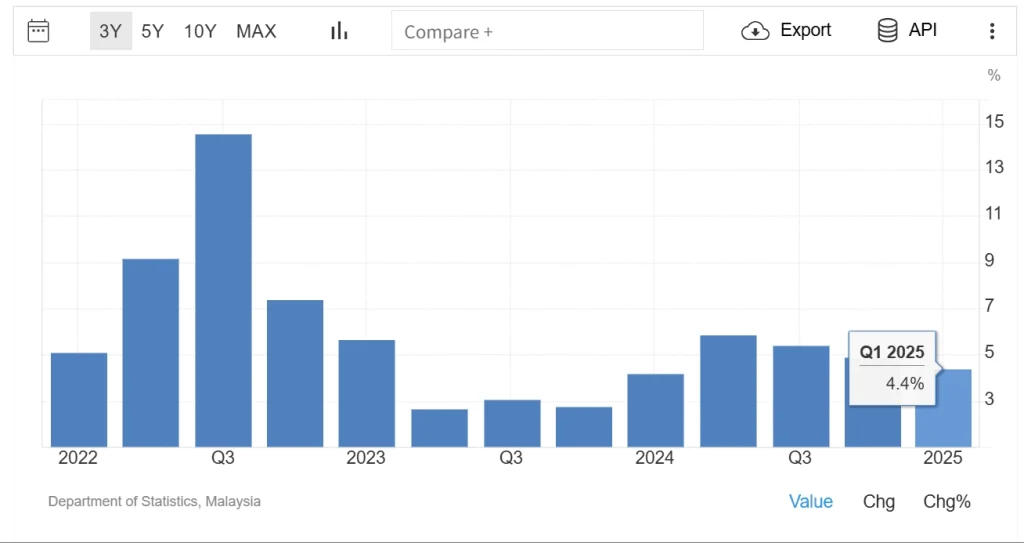
- Growth Potential: Malaysia’s economy is steadily growing (grew 4.4% year-on-year in Q1 2025), and demand for real estate continues to rise, especially in its major cities.
- Policy support: The government has introduced various policies to promote foreign investment, including the Malaysia My Second Home (MM2H) plan.
- Low entry barriers: Compared with other Asian countries, Malaysia’s real estate prices are relatively reasonable and the entry threshold for foreign investment is low.
2. Why Invest in Malaysian Real Estate?
- Stable market environment
Malaysia has a relatively stable political and economic environment. The government continues to promote reform and modernization, attracting a large amount of foreign investment. Malaysia’s stability in the global economic and investment environment makes it the first choice for many foreign real estate investors.
- High rate of return
The property markets in some of Malaysia’s larger cities such as Kuala Lumpur and Penang offer high rental returns. The short-term rental market offers higher returns on investment in tourist hotspots.
- Growing tourism industry
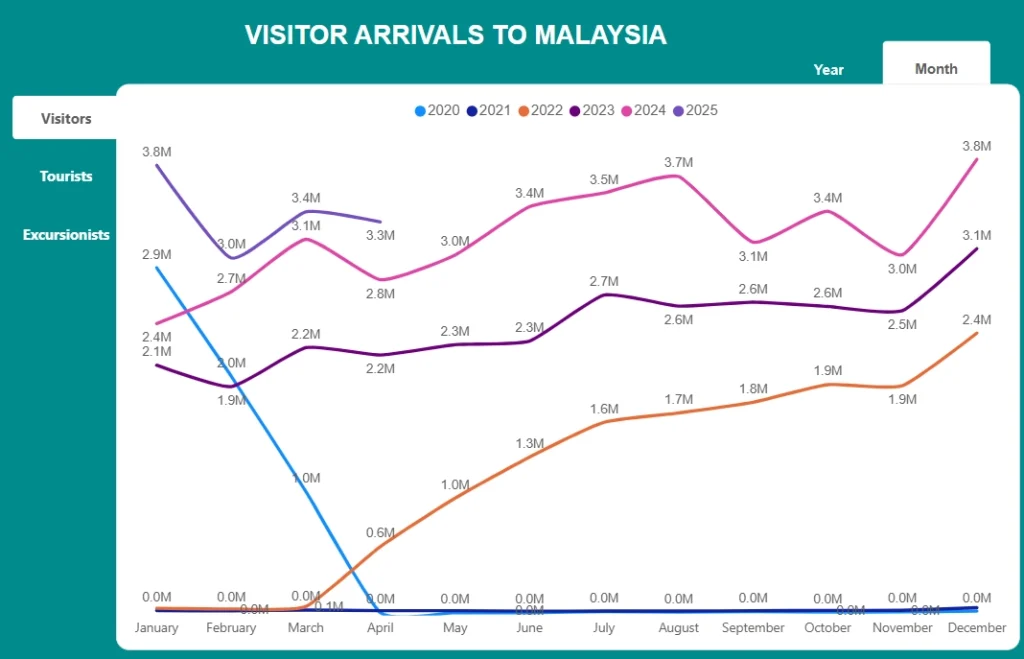
The booming tourism industry has driven demand for hotel, short-term rental and resort real estate. As one of the tourism hubs in Southeast Asia, Malaysia offers a wide range of real estate investment opportunities.
- National Development Plan
The Malaysian government is actively promoting infrastructure construction projects, including the East Coast Railway and the Kuala Lumpur Urban Rail System. These projects not only boost the local economy but also bring long-term growth potential to the real estate market.
- Foreign investor-friendly policies
The “Malaysia My Second Home” (MM2H) program has attracted global investors, especially retirees and high-net-worth individuals. Foreigners can enjoy favorable housing conditions and visa policies under the program.
3. Overview of the Malaysian Real Estate Market
Major cities and markets
The major real estate markets in Malaysia include:
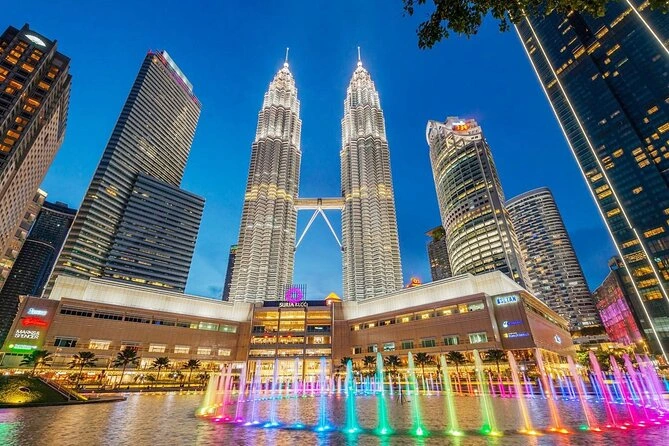
- Kuala Lumpur: As the capital of Malaysia, Kuala Lumpur is a commercial, financial and cultural center with a mature real estate market, especially in the city center.
- Penang: As a famous tourist and cultural city in Malaysia, Penang has attracted a lot of investment, especially in seaside and resort properties.
- Johor: Due to its proximity to Singapore, Johor has become an ideal choice for foreign investment, especially Singaporean investors.
Rental trends
In Kuala Lumpur, Malaysia, rental yields for residential properties typically range from 2.93% to 6.46%, with an average of 4.6%. Returns in Penang and Johor are relatively higher. For example, rental yields in Johor range from 3.23% to 7.15%, with an average of 5.47%.
4. Types of Real Estate Investments in Malaysia
The Malaysian real estate market offers investors a variety of investment types, suitable for different investment strategies:
- Residential real estate: Including long-term and short-term rentals. In tourist hotspots, short-term rentals can bring higher returns. Higher returns can be achieved as the land appreciates in value.
- Commercial Real Estate: Including office buildings, retail shops, commercial complexes, etc. Commercial properties in Malaysia, especially in the city center of Kuala Lumpur, are in high demand.
- Industrial real estate: Including warehouses, manufacturing plants, etc., suitable for long-term holding. With the growth of Malaysia’s industrialization and global supply chain, industrial real estate also has good investment prospects.
- Land Investment: Suitable for long-term holding, especially in developing areas, land investment can enjoy value-added returns in the future.
5. How to Buy Property in Malaysia
Minimum Purchase Price
Foreigners must meet minimum price limits when buying properties in Malaysia.
| State | Minimum Purchase Price (MYR) | Remarks |
| Kuala Lumpur | RM 1,000,000($236,127) | Only applicable to non-Bumiputera residential properties |
| Selangor | RM 2,000,0000($472,255) | Restrictions apply to apartments, residential, and commercial properties |
| Johor | RM 1,000,000($236,127) | Stricter control in the Johor Bahru area |
| Malacca / Negeri Sembilan | RM 500,000–1,000,000($118,063-$236,127) | Relatively relaxed |
Prohibited Property Types for Foreigners
Foreigners are generally prohibited from purchasing the following types of real estate:
- Malay Reserved Land
- Government-subsidized housing projects (such as PR1MA and RUMAWIP)
- Agricultural land (requires additional approval and is usually prohibited)
- Certain land uses such as forest conservation areas, military zones, or land designated for special purposes
Property Purchase Process
- Offer to Purchase, OTP
The buyer submits a letter of intent to purchase the property to the seller and pays a deposit of approximately 3%. The OTP (Offer to Purchase) outlines key details such as the price, payment method, and terms of the transaction.
- State Authority Consent
Submit a foreigner’s home purchase application to the state government for approval, which usually takes 1 to 3 months. The transaction process can be continued after approval.
- Sales and Purchase Agreement, SPA
Upon signing the formal agreement, the buyer is required to pay a 10% down payment, which includes deposit of 3%.
- Handle transfer procedures
After the buyer pays the remaining balance as stipulated in the contract, the seller will cooperate with the buyer to complete the property transfer procedures. The buyer needs to pay stamp duty, legal fees and other related expenses.
Property Stamp Duty in Malaysia
| Property Purchase Price | Stamp Duty Rate (%) | Stamp Duty Cost (RM) |
| First RM100k of property price | 1% | Up to RM1,000 |
| RM100,001 to RM500k | 2% | Up to RM10,000 |
| RM500,001 to RM 1million | 3% | Up to RM30,000 |
| Above RM 1million | 4% | From RM40,000+ |
Legal Fee Rates for Property Transactions in Malaysia
| Total property price(MYR) | Legal Fee Rates |
| First RM 500,000 of property price | 1.0% |
| RM 500,001 – RM 1,000,000 | 0.8% |
| RM 1,000,001 – RM 3,000,000 | 0.7% |
| RM 3,000,001 – RM 5,000,000 | 0.6% |
| Above RM 5,000,000 | 0.5% |
- Complete property registration
The property rights are transferred to the buyer, and the buyer obtains a legal property ownership certificate.
6. Financing Your Property Investment in Malaysia
Malaysian banks provide loans to foreign investors with a loan ratio of 60%-70% and an interest rate between 3%-5%.
Mainstream banks that provide mortgage loans to foreigners:
- Maybank
- CIMB Bank
- RHB Bank
- HSBC Malaysia
- OCBC Malaysia
Some international banks such as HSBC and Standard Chartered can provide loan services to their international customers, generally 50% – 70% of the total property price.
Related Reading