With the growing importance of global asset allocation, overseas real estate has become a core area of concern for more and more investors. Many people hope to purchase overseas properties to preserve the value of their assets, gain rental income, or even as a long-term plan for relocation and retirement.
However, the global market is vast, and different regions have very different legal policies, economic stability, and rental returns. Are you also thinking about where it is really worth investing?
In this article, we will take you through a systematic review of the criteria for judging real estate and recommend a few promising markets around the world.
How to Determine if a Country or City is Worth Investing in Real Estate?
Before you consider investing, you need to know this: it’s not always the case that the place where prices are going up fast is the right place for you. If you choose the wrong area, it may be difficult to realize the cash for several years. The following are some of the judgmental factors that you need to consider.
Whether the Ratio of Rental Income to House Price is Reasonable
First of all, you need to look at the rent-to-sale ratio of an area, which is also known as “the ratio of house price to annual rent.” If house prices are high but rental returns are limited, the payback period is too long, which is not conducive to cash flow management.
For example, the rent-to-sale ratio in some first-tier cities is already below 3%, while some emerging markets can offer annual returns of 5% or even higher. The latter is clearly more attractive to investors who favor long-term holdings and stable returns.
Is the Policy for Foreigners Open to Home Purchases
The legal framework and policy restrictions will give you a good idea of whether a country is suitable for overseas buyers.
Are foreigners allowed to buy property? Is the property title freehold? Is the transaction process clear?
These are all questions you must check before you invest.
Regional Economic Stability and Currency Risk
Real estate is typically a medium- to long-term investment, and the economic fundamentals, political environment, and currency fluctuations of the host country have a significant impact on investment returns. If a country is experiencing severe inflation or significant currency depreciation, even if home prices are rising, you may incur losses when converting to foreign currency.
Therefore, it is recommended that you prioritize countries and cities with stable economic growth, relatively strong currencies, and mature systems.
What Are the Current Global Real Estate Investment Places Worth Focusing on?
After understanding the evaluation criteria, let’s take a look at what cities or countries in the current global environment show comprehensive advantages in terms of policies, rents, living environment, etc., and are worth including in your inspection list.
Portugal (Lisbon, Porto)

As one of the countries in Europe that opened up the golden residence policy earlier, Portugal has significant advantages in attracting overseas investment. Lisbon and Porto are two major cities; not only is the infrastructure perfect, but the property prices are still reasonable compared to other European countries, and the rental market is active, suitable for medium- and long-term rentals.
- Reasons for Recommendation:
Freehold property has a relatively flexible threshold for purchasing property.
Low cost of living, the proportion of expatriates is growing year by year.
Moderate increase in prices, stable rental income, and annual return rate of up to 4%–6%.
Dubai, UAE
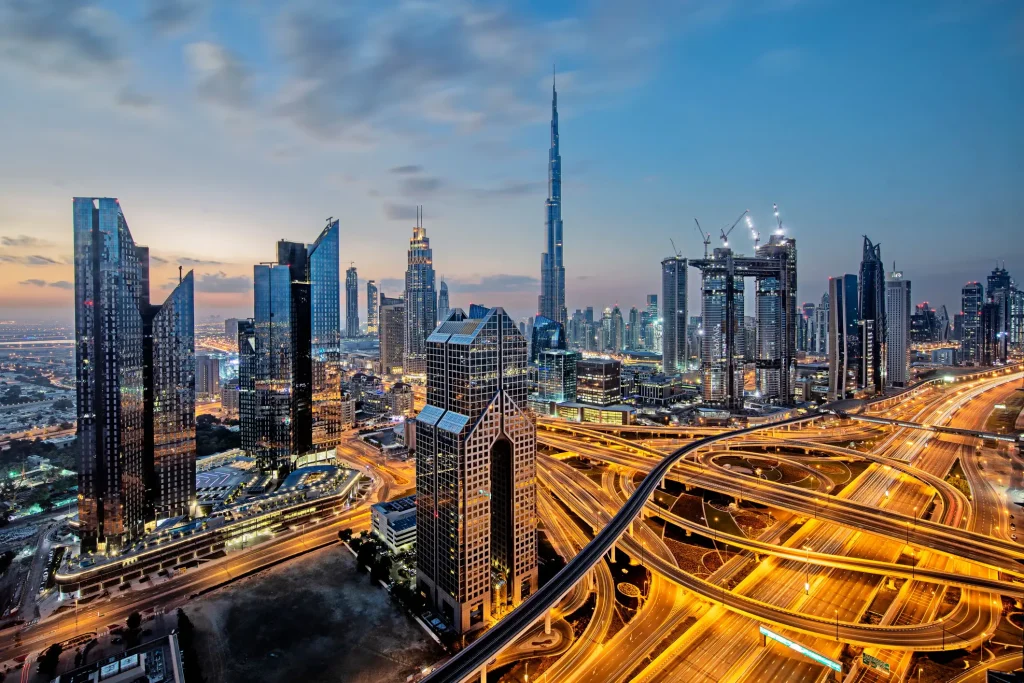
Dubai has been one of the most open cities in the Middle East. House prices are relatively low compared to international metropolises, while rental returns are high. For investors, the zero personal income tax policy and the complete foreign investment home purchase system provide a favorable environment.
- Reasons for Recommendation:
Designated areas allow foreigners to own freehold;
Low property tax and stable policy;
Annual rental return of 6%-8%, suitable for investors who focus on rental income.
Osaka, Japan

In contrast to Tokyo’s high property prices and saturated market, Osaka has attracted the attention of more and more foreign investors in recent years, driven by urban regeneration and tourism recovery. Osaka’s rental market is dominated by local demand, with low vacancy rates and low investment risks.
- Reasons for Recommendation:
Many small houses, low entry threshold;
Mature legal system, clear property rights;
Annual rental return of about 4%-5% in the city center, more secure for long-term leasing.
Kuala Lumpur, Malaysia
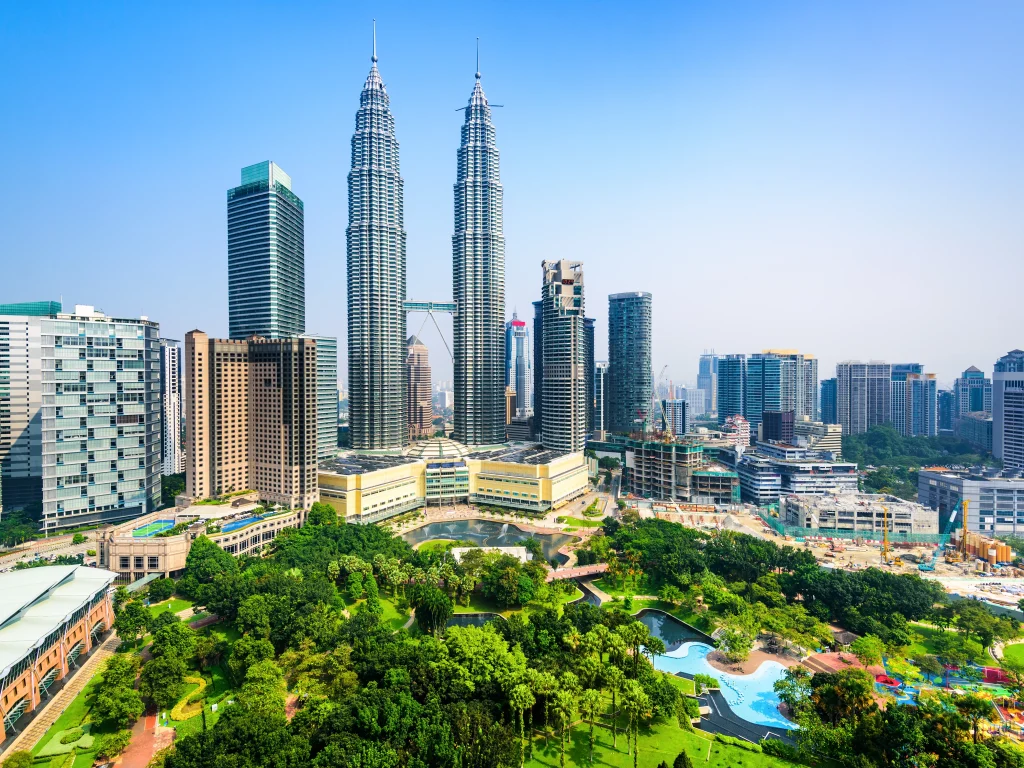
As one of the major economic hubs in Southeast Asia, Kuala Lumpur has struck a good balance between property prices, amenities, and the convenience of living. With a high English penetration rate and moderate cost of living, it is ideal for a combination of owner-occupancy and investment.
- Reasons for Recommendation:
Foreigners can hold permanent property rights with friendly policies;
A moderate investment amount, RM200,000-300,000, can be purchased for quality apartments;
Coexistence of local and international tenant markets, stable income can be expected.
Cancun/Mexico City, Mexico
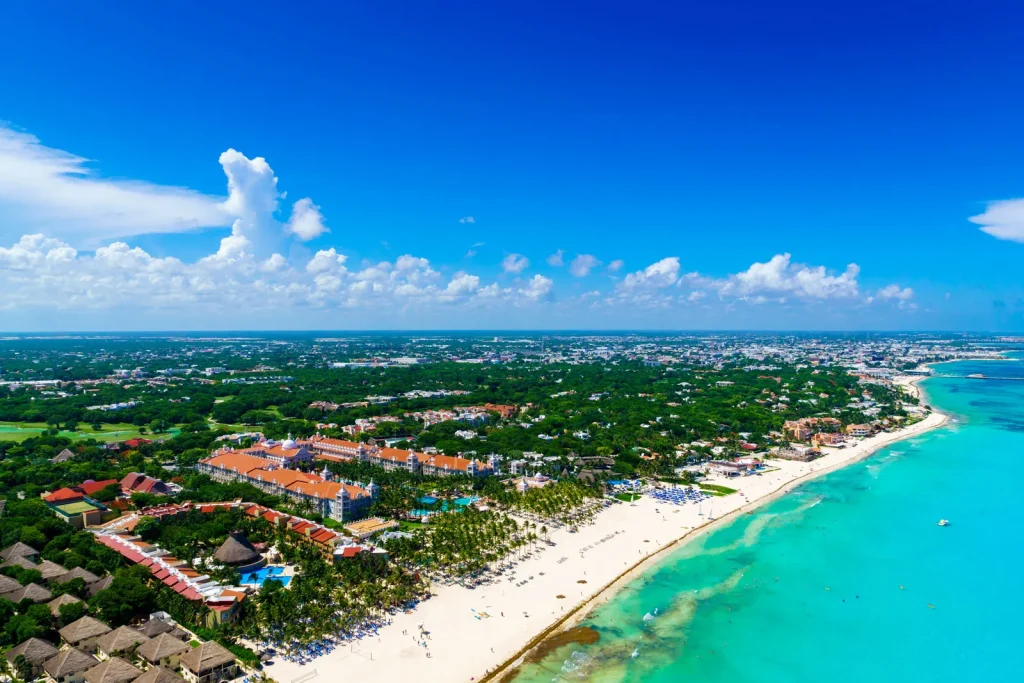
Among the Latin American markets, Mexico stands out in the real estate market due to its strong ties with North America and growing tourism. The short-term rental market is particularly hot in Cancun, while Mexico City is better suited for long-term rentals.
- Reasons for recommendation:
Low cost, suitable for investors with limited capital to start;
Dollar-denominated rent, to resist the depreciation of the local currency;
High rental return; some areas can reach more than 7%.
What Other Realities Do You Need to Consider Before Investing in Overseas Property?
Choosing your target country is just the first step. In practice there are many details to consider, which, if ignored, could affect your overall return or even create legal risks.
Foreign Exchange and Liquidity
Different countries have different regulations on foreign exchange inflows and outflows. Therefore, you have to be aware of the payment process for purchasing a home, restrictions on remittances and how to repatriate funds after selling your home in the future in order to avoid capital constraints.
Taxes and Cost of Ownership
The tax structure is something that will affect your long term returns. You should calculate the transaction tax at the time of purchase, the annual property tax, and the capital gains tax at the time of sale. This varies greatly from country to country, so it’s best to consult a professional in advance.
Management and Maintenance Issues
When you hold a property remotely, you are most afraid that the property will be left unmanaged. It is recommended to choose a program with escrow services, or arrange a local agent to take care of leasing and maintenance in advance. This will reduce the risk of stabilizing your assets.
Conclusion
Finding the right place for your real estate investment globally is both an asset allocation strategy and a lifestyle exploration. Rather than blindly chasing the wind and falling into the trap of high returns, it is rational to buy overseas based on one’s own needs, risk tolerance and long-term goals, and to select a market that truly matches one’s needs.
Every market has its own cycle and rhythm. You don’t have to chase the hottest place, but pick the one that suits you best. I hope this article can provide you with clear ideas and practical references for your global real estate layout.
Related Reading