In recent years, with increasing global economic uncertainty, the Fed’s continued interest rate hikes, and frequent fluctuations in European and American real estate markets, more and more international capital has turned its attention to Asia. The Japanese real estate market is known as a “safe haven for global investors” for its stable economic environment, interest rate advantages, sound legal system and sustained rental returns.
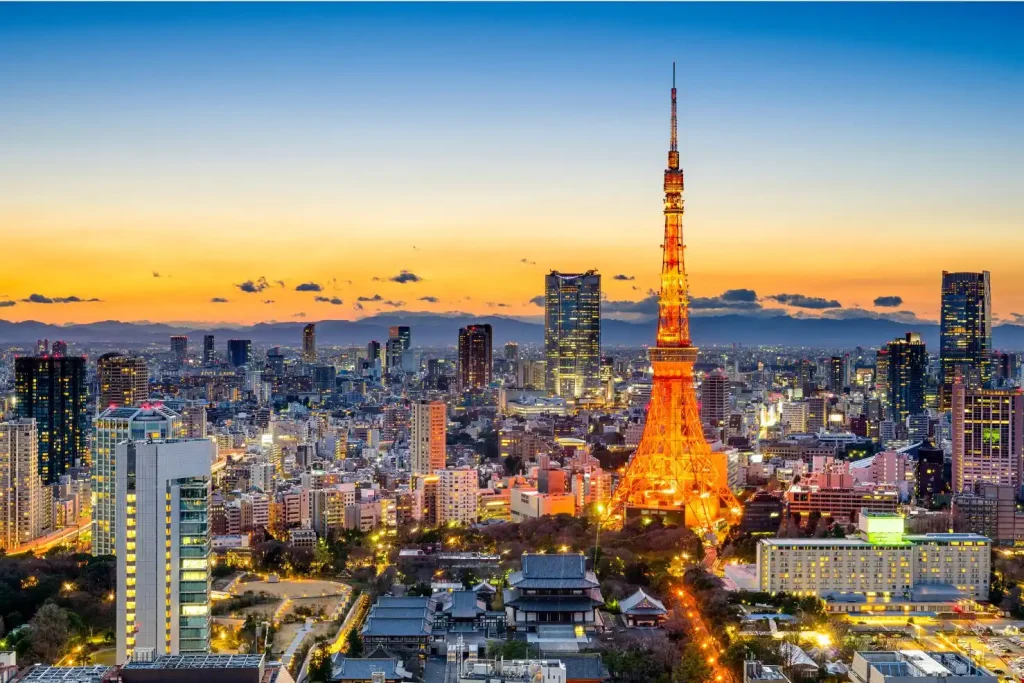
This article will systematically analyze the unique charm of the Japanese real estate market from five aspects: macroeconomics, interest rate policy, market returns, security, and investment threshold.
1. Macroeconomic stability: the most predictable market among developed countries
As the world’s third-largest economy, Japan has experienced slow growth for many years but maintains long-term stability with low volatility. Compared with emerging markets, Japan has not experienced severe inflation, foreign exchange crises or housing bubbles.

Against the backdrop of declining real estate markets in many global regions, housing prices in Japanese cities have maintained moderate growth. According to statistics, the average price of second-hand apartments in Tokyo in April 2025 was 44.51 million yen (about $301,000), an increase of 28.3% from last year. Major cities such as Osaka and Fukuoka Prefecture also showed a steady upward trend.
Japan’s steady growth meets global capital’s dual needs: risk aversion and sustainable yields.
2. Ultra-low interest rate environment: Among the most cost-effective leveraged investing environments globally
Japan has implemented a zero interest rate policy for a long time. Although the Bank of Japan slightly raised its benchmark interest rate in 2024, overall financing costs remain the lowest in the world.
- Japanese mortgage rates (local banks) are typically only around 0.5%–1.5%;
- Foreign investors can also obtain loan interest rates of 2%–2.6% through local or overseas channels, which is much lower than that in Europe and the United States.
This means that even if leveraged investment is used, the monthly payment pressure is very small and the rate of return on leveraged investment is greatly magnified. Against the backdrop of rising US interest rates and tightening financing, Japan’s financing environment has created a significant comparative advantage for global buyers.
3. Stable rental income: net return rate is higher than the global average
Japan’s rental market is mature, tenants have strong legal awareness and low default rates, making it suitable for long-term holding.
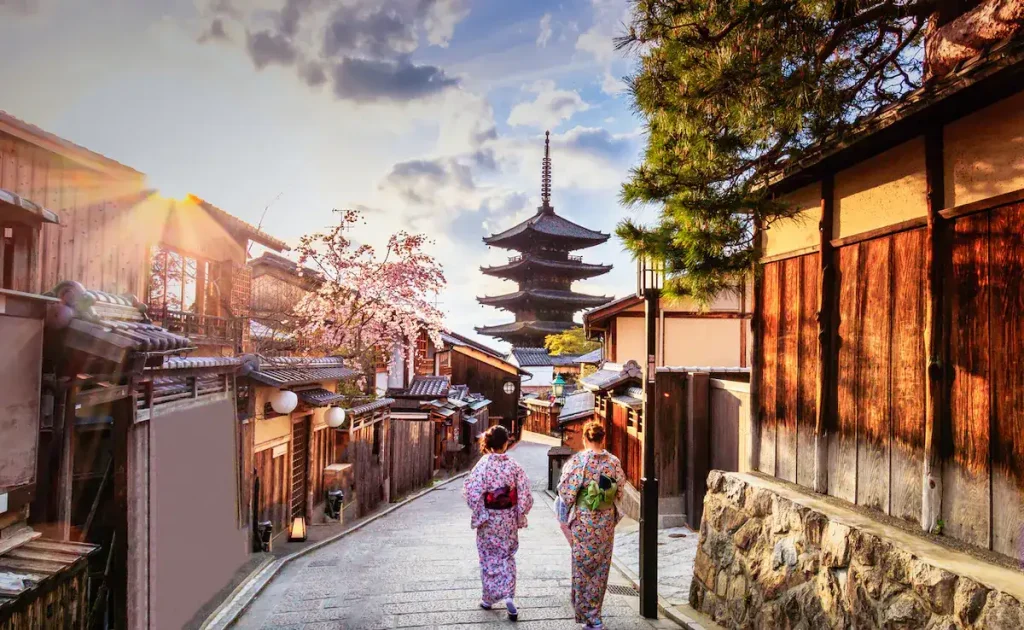
In core cities such as Tokyo, Osaka, and Kyoto, the annual net rental return rate for residential properties is approximately 3.5%–5%. If financing is used, the actual return on capital can be further improved. Average rental yields in Tokyo are generally lower than in other Japanese cities, mainly due to high housing prices. However, it has great appreciation potential and low risk, making it suitable for long-term holding.
- Comparison of rental returns by region in 2024
| Area | Rental yield |
| Tokyo Southern District | 3.8% |
| Yokohama | 4.4% |
| Nagoya | 4.4% |
| Osaka | 4.2% |
| Fukuoka | 4.5% |
More importantly, Japan’s rental market is extremely regulated. The professional management company system is perfect, and even if you hold it remotely, you can easily realize rental income.
4. Sound legal protection: clear property rights and 100% foreign ownership
Japan has a sound and transparent real estate legal system and is one of the few developed countries in Asia that fully opens its real estate market to foreigners.
- Foreigners can freely purchase residential, commercial properties and land without having Japanese nationality or a green card;
- All transactions are regulated by laws such as the Real Estate Registration Law and the Lease Management Regulations, and the property rights are clear and free of disputes;
- The property rights are permanent (Freehold) and are registered under the name of an individual, with no restrictions on the length of use.
Many Asian markets, such as Thailand and Vietnam, impose restrictions on foreign ownership of real estate or have unclear property ownership structures. In contrast, Japanese real estate has become one of the few international assets that can be held safely for the long term.
5. Urban Renewal and Population Structure: Policies and Opportunities Coexist
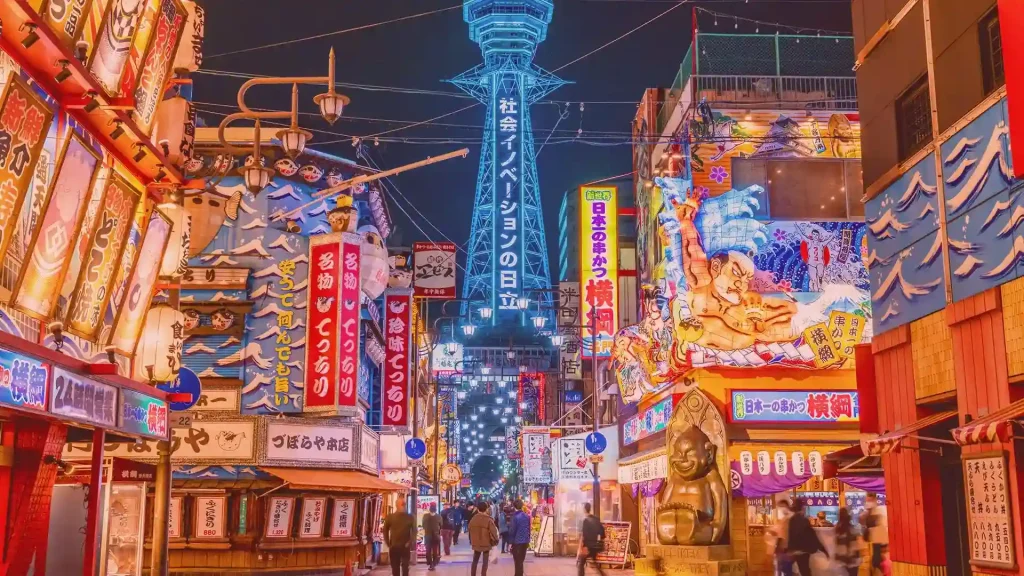
Although Japan’s overall population is aging, its major cities (such as Tokyo, Osaka, and Fukuoka) are constantly attracting young people, forming a trend of “urban population concentration.” This demographic trend will lead to:
- Rental and purchase demand in first-tier cities such as Tokyo, Yokohama, Nagoya, and Kyoto continues to be strong;
- Second-tier cities such as Sendai, Kanazawa, Hiroshima, and Kumamoto are also favored because of their universities and medical resources;
- Governments at all levels in Japan have promoted “urban renewal projects”, such as the Tokyo Bayside redevelopment, the Osaka Expo construction, and the Fukuoka Smart City Plan, which have also brought value depressions and growth space to real estate.
Therefore, although the total population is negative, real estate values in urban core areas are rising steadily, and investors can obtain long-term growth opportunities.
6. Low threshold for overseas investment and simple operation process
Compared with the high stamp duties for overseas buyers in places like Australia and Singapore, the taxes you need to pay when buying a house in Japan are much lower. Mainly include:
- Real estate acquisition tax
The tax rate for residential properties is approximately 3%, though certain discounts or exemptions may apply to new home purchases.
- Registration license tax
This fee is related to the assessed value of the property, and is typically around 0.3%-2% for residential properties.
- Stamp Duty
The amount of stamp duty will vary depending on the transaction amount. For properties valued between 10 million and 50 million yen, the stamp duty is a maximum of 10,000 yen. For properties valued between 100 million and 500 million yen, the stamp duty is a maximum of 30,000 yen.
- Consumption Tax
When purchasing a property, some transactions also require payment of “consumption tax”. This tax primarily applies to newly built properties at a rate of 10% of the property price, and it is not required for second-hand (resale) homes. Newly built properties intended for rental use may also be eligible for a consumption tax refund.
The house purchase process is relatively simple:
- Fill out a Purchase Application (for new properties) or Letter of Intent (for pre-owned properties).
- Pay the seller a deposit, usually 5-10% of the purchase price.
- The loan requires obtaining mortgage pre-approval, and the bank will review the necessary documents, including proof of identity and annual tax receipts.
- Review the Statement of Important Information, a legal document that sets out all the information you need to buy a property.
- Sign the purchase agreement.
- Complete real estate transactions and transfer property ownership.
The entire process is usually completed within 1-3 months, there are no residence restrictions, and the investment can be completed without going to Japan in person.
7. Conclusion: Why is now a good time to invest in Japanese real estate?
In summary, the Japanese real estate market has the following five characteristics, making it a safe haven for global investors in 2025:
- Stable economy and rising house prices
- Ultra-low financing rates and a good leverage environment
- Mature rental market and attractive net returns
- Foreign-friendly legal system and property rights protection
- Core city population concentration and renewal plan
Whether you’re looking for asset preservation, portfolio diversification, or long-term overseas allocation, Japanese real estate offers a low-entry, low-risk, and stable-return investment option.
Related Reading