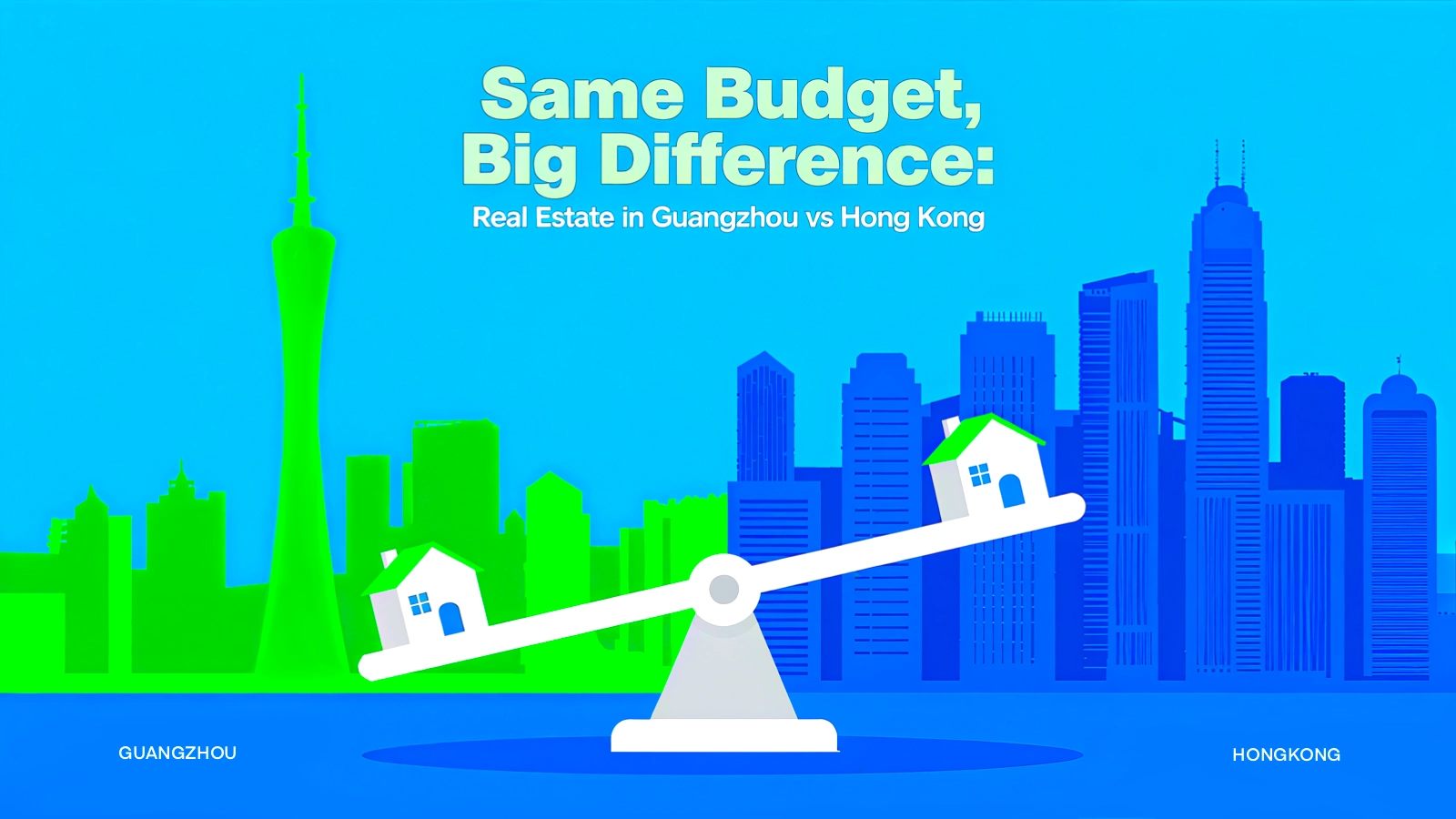
With the same budget, how big is the difference between the properties you can buy in Guangzhou and Hong Kong? Should I choose a small apartment in Hong Kong or a luxurious house in Guangzhou?
This article will compare the advantages and disadvantages of real estate in the two places from multiple angles, such as investment returns, living experience, and policy to help you make a wiser choice.
1. How big a house can you buy with the same budget?
Hong Kong: High price, small area
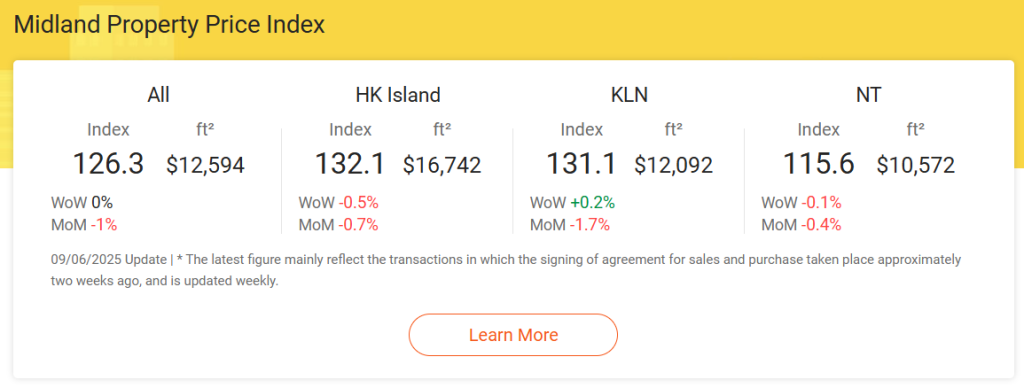
Hong Kong is one of the cities with the highest housing prices in the world, with the average price of ordinary residential properties being approximately HK$100,000 to HK$250,000 per square meter.Take a budget of HKD 5 million (about RMB 4.6 million) as an example:
- In the city areas (such as Kowloon and Hong Kong Island), you can only buy a one-bedroom property of about 28-38 square meters.
- New Territories (such as Tuen Mun and Yuen Long): You may be able to buy a two-bedroom property of 50 square meters, but the commute time will be longer.
Guangzhou: Low price, large area
Guangzhou’s housing prices are relatively affordable. The average price in the core areas (such as Tianhe and Yuexiu) is about RMB 60,000-100,000 per square meter, while in suburbs (such as Panyu and Huangpu), the price is around RMB 20,000-40,000 per square meter. Same budget of HK$5 million (RMB 4.6 million):
- City center (Tianhe, Zhujiang New Town): You can buy two-bedroom or small three-bedroom apartments of 50-80 square meters.
- Suburbs (Panyu, Nansha): You can buy a three to four-bedroom apartment of more than 100 square meters, which is furnished and has complete community facilities.
Conclusion: With the same budget, the living space in Guangzhou is 2-3 times larger than in Hong Kong, which is especially suitable for families who pursue spacious living.
2. Significant Difference in Investment Returns
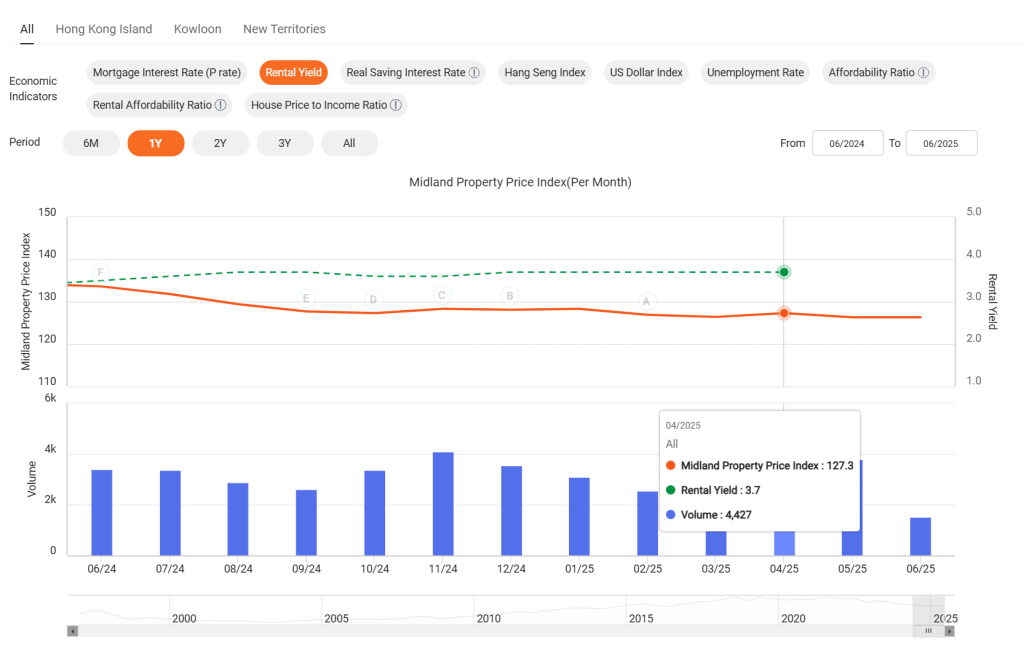
Hong Kong: High rental returns, but slowing growth
Rental return rate: about 3.6% on average in the past year
Appreciation potential: Due to policy adjustments, such as additional stamp duty and mortgage restrictions, the growth of housing prices has slowed down in recent years, and medium and long-term investments should be made with caution.
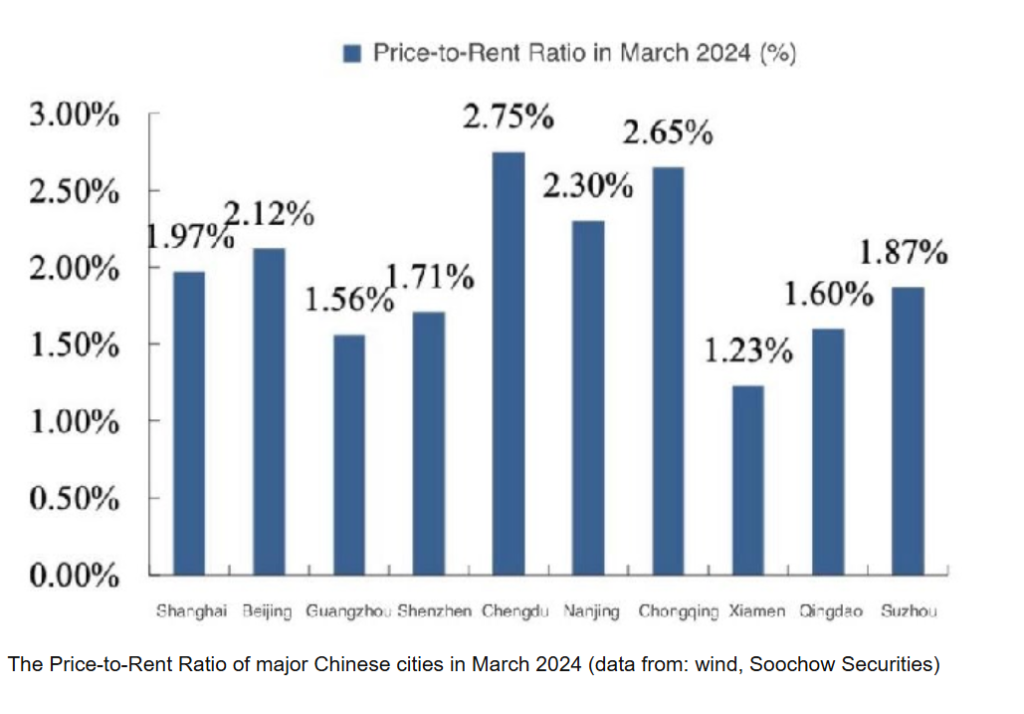
Guangzhou: Low rental returns, but great appreciation potential
Rental Yield: The average has been below 2% in the past year.
Appreciation potential:
- Greater Bay Area policy dividends: As a core city, Guangzhou’s infrastructure (such as Metro Line 18/22 and Nansha Free Trade Zone) will drive long-term housing price increases.
- Price depression: Compared with Shenzhen and Hong Kong, Guangzhou’s housing prices still have room to rise, especially in emerging areas such as Nansha and Huangpu.
Conclusion:
- Short-term rental collection: Hong Kong is more promising, but there is no room for growth.
- Long-term investment: Guangzhou has greater growth potential and is suitable for holding for more than 5 years.
3. Living experience: cost of living and convenience
Hong Kong: Efficient and convenient, but cramped space
Advantages
- International medical, educational and business resources.
- Public transportation is well developed and there is no need to rely on private cars.
Disadvantages
- The living space is small, with an average housing area of only 16 square meters per person, one of the lowest in the world.
- The cost of living is high, including food expenses, tuition fees, parking fees, etc.
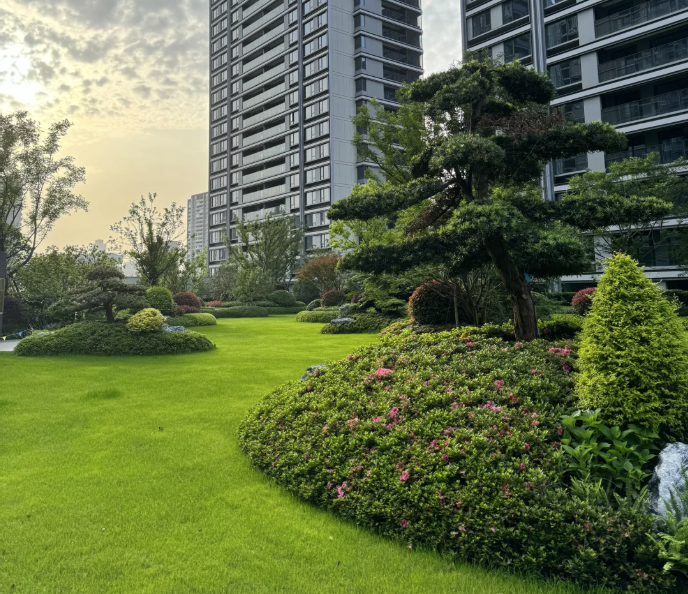
Guangzhou: Spacious space and high cost-effective living
Advantages
- The living environment is more comfortable, with complete supporting facilities such as greening and clubhouse in the community.
- The cost of living is relatively low, with expenses for food, transportation, education, etc. about 50-70% of those in Hong Kong.
- The Greater Bay Area’s “one-hour living circle” allows high-speed rail to reach West Kowloon, Hong Kong in 48 minutes.
Disadvantages
- International schools and medical resources are not as abundant as in Hong Kong.
- Public transportation is still developing in some areas, and driving is more common.
Conclusion: For young people or retirees, Guangzhou is more livable and cost-effective.
4. Policy comparison: purchase restrictions, taxes and mortgages
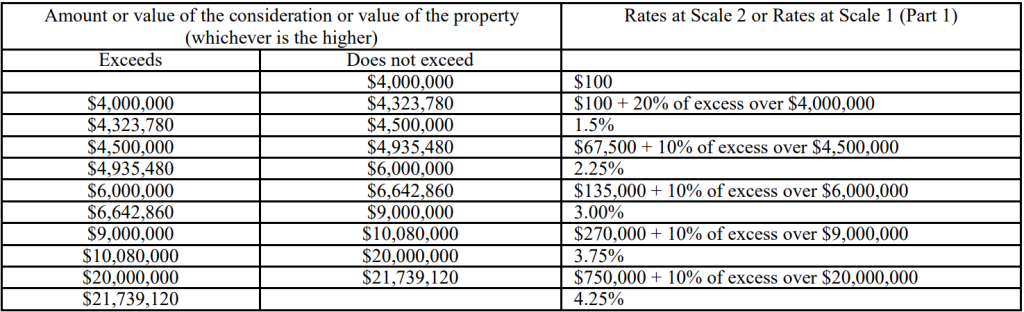
Hong Kong
- Purchase restrictions: None
- Stamp Duty (AVD): The tax rate usually ranges from 0.75% to 4.25%, with the rate increasing as the property value rises.
Guangzhou
- Purchase restrictions: The restrictions on Hong Kong residents buying properties in Guangzhou have lifted on September 30, 2024.
- Deed tax: For the first house purchased in Guangzhou, if the area is less than 140 square meters, the deed tax is 1%; If the area is over 140 square meters, the deed tax is 1.5%.
No significant difference in mortgage.
Conclusion: When the house price is higher than RMB 4 million, it is more affordable to buy a house in Guangzhou.
5. How to choose?
Suitable for choosing Hong Kong:
- The work needs to stay in Hong Kong and values international resources.
- Pursuing short-term rental income, with low expectations for appreciation.
Suitable for choosing Guangzhou:
- Hope to improve the living environment and pursue a cost-effective life.
- Optimistic about the development of the Greater Bay Area and willing to make long-term investments.
With the acceleration of the integration of the Greater Bay Area, in the future, the “live in Guangzhou + work in Hong Kong” model may become a new choice for more Hong Kong people.
Related Reading