In recent years, Zhuhai real estate has gradually received extensive attention from international investors. With the acceleration of the integration process of the Guangdong, Hong Kong, and Macao Greater Bay Area, as well as the promotion of the Hengqin, Guangdong, and Macao Deep Cooperation Zone, Zhuhai’s strategic position in the regional development is becoming more and more prominent.
Compared with first-tier cities such as Beijing, Shanghai, Guangzhou, and Shenzhen, property prices here still have a certain advantage. Moreover, its favorable living environment and clear policy orientation have attracted more and more overseas home buyers and institutional funds.
So, what are the specific reasons that make Zhuhai real estate the focus of global investors in 2025? In this article, we will analyze it from various perspectives.
Why Is Zhuhai Real Estate So Attractive?
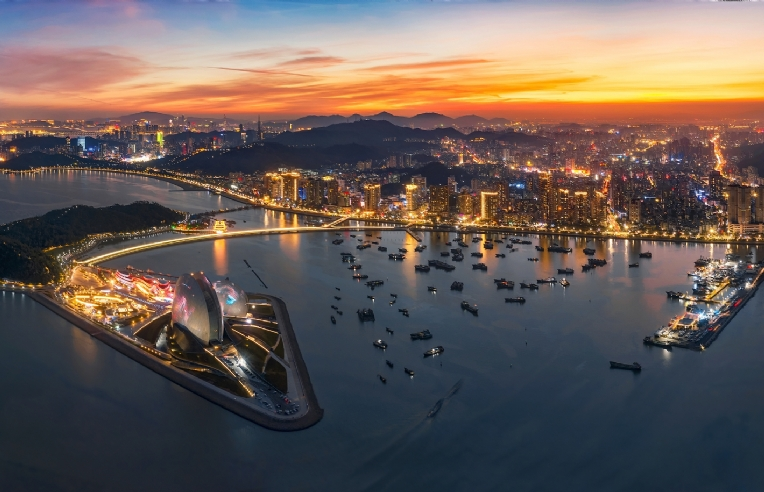
Its regional role, policy environment, pace of development, and quality of life form a comprehensive real estate value support system. To truly understand why Zhuhai is favored, it is necessary to start from the city itself and gain a deeper understanding of what substantial advantages it possesses.
Location Advantages and Transportation Upgrades
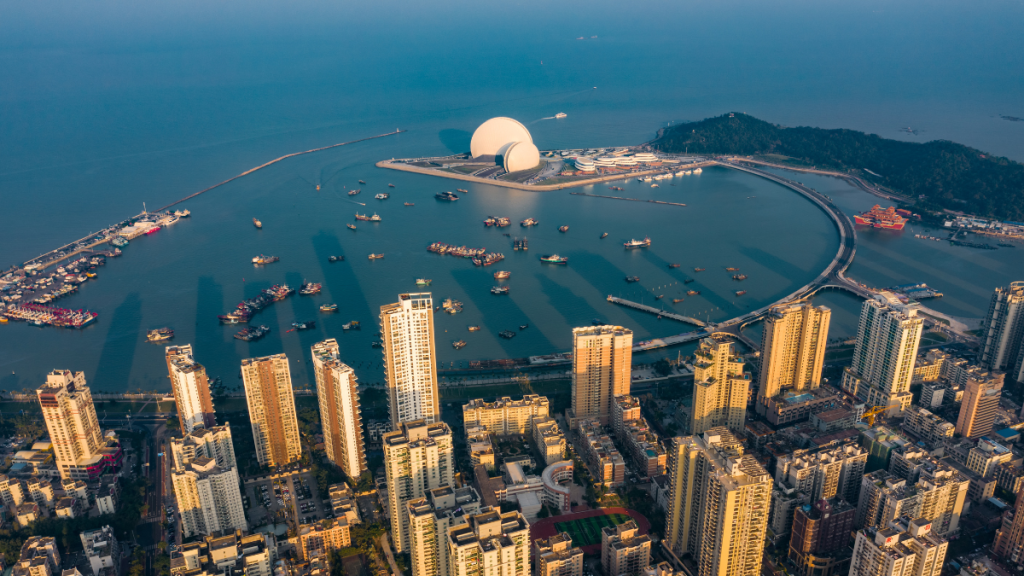
Located on the west bank of the Pearl River Estuary, Zhuhai is one of the major constituent cities of the Greater Bay Area. Adjacent to Macau and across the sea from Hong Kong and Shenzhen, Zhuhai constitutes an important transportation node in the region.
The opening of the Hong Kong-Zhuhai-Macao Bridge (HZMB) has greatly shortened the travel time between Zhuhai and Hong Kong and Macao. This not only enhances the efficiency of inter-city connectivity but also drives up the regional value of Zhuhai.
Furthermore, the construction and upgrading of several routes, such as the Guangzhou-Zhuhai Intercity Railway, the Shenzhen-Zhuhai Corridor, and expressways, have enabled Zhuhai to form an efficient transportation network with other core cities in the Greater Bay Area.
Such convenient cross-city commuting conditions have created a more favorable environment for Zhuhai to attract foreign talents and enterprises and brought sustained demand support to the real estate market.
Policy Support
In addition to geographic location and transportation conditions, you should also pay attention to the city’s development direction and institutional environment.
Zhuhai has been playing an increasingly major role in regional planning in recent years, and a shift in the city’s center of gravity can be clearly seen, especially in the deepening cooperation between Hengqin and Macau.
This change has brought about closer regional synergy and a gradual diversification of the local economic structure.
In terms of policy, relevant measures are continuously streamlining the process for foreign investors, and the entry of overseas funds into the Zhuhai market has become smoother.
Zhuhai is also continuing to optimize its industrial layout, gradually transitioning from traditional industry to technology, finance, and culture to promote the city’s vitality.
Overall, these adjustments have improved the market environment and are creating a more stable foundation for real estate investment.
Industrial Structure Optimization and Population Inflows
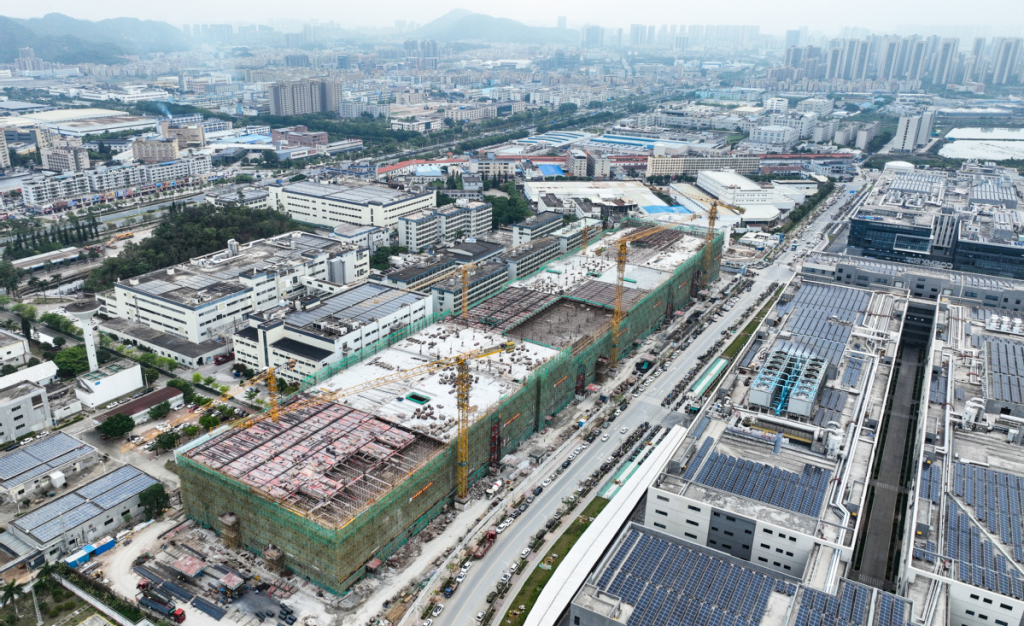
The development of the city is not only driven by policies but also driven by industries and supported by population.
With the introduction of new industries, Zhuhai’s economic structure is undergoing a transformation. The development of science and technology innovation, high-end manufacturing, and modern finance has not only enhanced the industrial competitiveness of Zhuhai as a city but also attracted a large number of talents with professional backgrounds and stable incomes.
Especially in the high-tech zone and Hengqin area, the landing of some key projects and industrial parks has brought a steady stream of employment opportunities.
With this trend, Zhuhai’s resident population is gradually growing and becoming younger, which in turn drives a steady expansion of housing and rental demand.
For investors, a city with active industries and stable population inflow often means more lasting market vitality and room for asset preservation.
Advantages and Potential of Investing in Zhuhai Real Estate
To assess the investment potential of a city, it is not only important to look at its “present” performance but also to judge its “future” space.
In the next section, we will take you through the real attractiveness of Zhuhai’s real estate in terms of the level of property prices, rental returns, and the degree of market openness.
Relatively Reasonable Home Prices, Potential for Appreciation
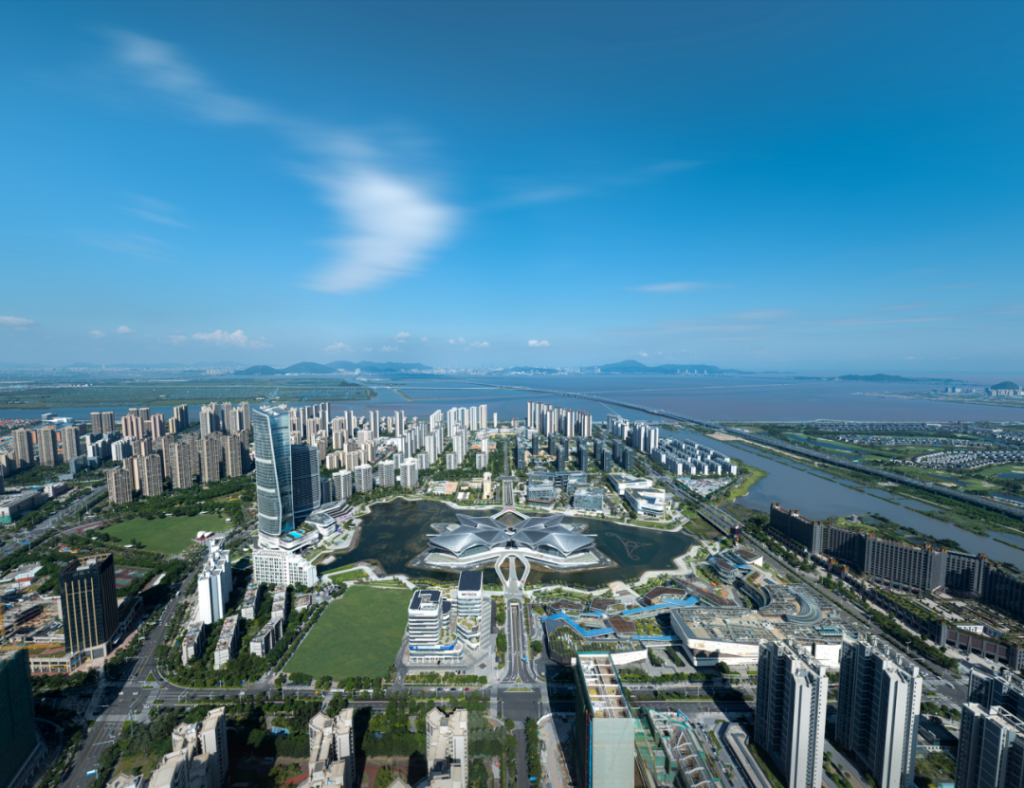
Compared to other developed cities in the Greater Bay Area, Zhuhai’s current housing prices are still at a relatively moderate stage, which happens to provide investors with a window to cut into the market.
Although house prices in some areas of Zhuhai have risen in recent years, the overall level is still lower than that of first-tier cities such as Shenzhen and Guangzhou. This is especially true in developing sectors such as Hengqin, Hi-Tech Zone, and Jinwan. They are relatively affordable and have development expectations.
These areas are in the process of infrastructure and industrial landing; in the future, with the improvement of supporting facilities and population inflow, real estate value is expected to steadily increase.
In fact, choosing a market where prices have not yet been fully released but with development potential can sometimes bring more long-term returns than chasing after hot areas.
Stable Rental Returns

According to the statistics in October 2024, the overall residential rent in Zhuhai averaged RMB 36.49/m²/month, up 0.91%. YoY. If we take a two-bedroom apartment of 80 square meters as an example, the monthly rent can reach about RMB 2,920, and the annual rent is about RMB 35,040.
Based on the average price of nearly 22,358 RMB/m² in the first quarter of 2025, the market value of the suite would be about 1,788,640 RMB, corresponding to a rental return of about 1.96%. However, the ratio of rent to house price (rent-to-sale ratio) is 54 in Zhuhai, i.e., the annual gross rent is about 1.85% of the house price.
If you focus on popular rental areas—such as Xiangzhou District and Hengqin, University City, and High-Tech Zone, where rental levels are usually higher—actual rents tend to be higher than the city average. 2024 average residential rents in Zhuhai’s Xiangzhou District will be RMB42.59/m²/month, and in the High-Tech Zone, about 32.79 RMB/m²/month, while the remaining districts are slightly lower.
Estimated at the level of Xiangzhou District, the monthly rent of 80 m² rooms is about RMB 3,407, and the annual rent is about RMB 40,884, with a rental return rate of nearly 2.3%.
From a national comparison, the annual rental return of first-tier cities is generally low, and Zhuhai, as a second-tier Bay Area city, has a rental return in the range of 2%-2.3%.
Conclusion
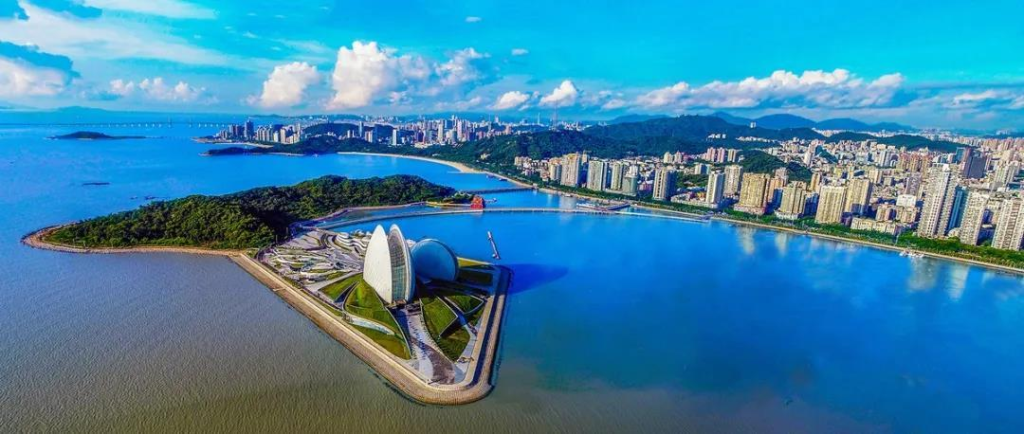
Investment is never an impulsive decision but a rational choice after understanding the pulse of the city and the rhythm of the market. Behind every property development, the logic of urban development and the trend of human mobility are actually mapped.
Zhuhai, as an ever-changing city, is attracting investors with a long-term vision in its own way. Instead of chasing short-term hotspots, it is better to take a moment to observe which places are quietly building up their strength.
If you want your next move to be more secure, you may want to focus on cities that have not yet unlocked their full potential, and Zhuhai may be one of them.
Related Reading