Over the past few years, changes in the Wyoming real estate market have drawn increasing attention. The state, which has long been known for its low density and slow pace, has seen a quiet rise in home prices, attracting not only local buyers but also a large number of out-of-state investors and relocating populations. So what’s happening behind the scenes? What’s driving the continued rise in Wyoming real estate?
In this article, we will analyze the main reasons for this phenomenon from a number of perspectives to help you better understand the dynamics of the Wyoming real estate market.
State of the Wyoming Real Estate Market
Recently, home prices in several areas of Wyoming have shown a steady upward trend, and some popular cities and towns have shown significant activity in terms of volume. At the same time, the mix of buyers is quietly changing, with not only local demand but also a large number of investors and remote workers from out of state joining the mix. Next, let’s take a closer look at the current state of the Wyoming real estate market.
Home Prices Continue to Rise
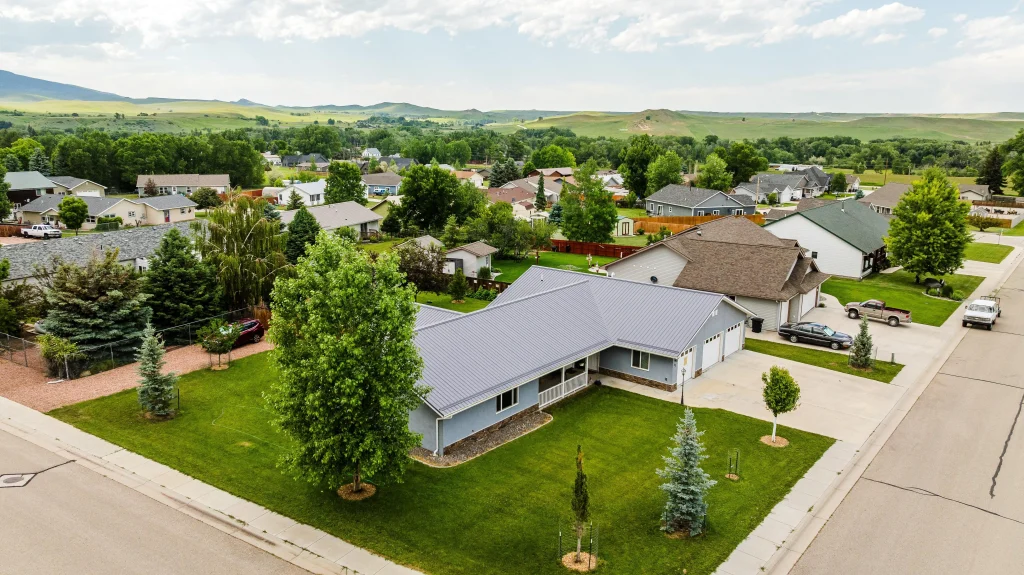
In recent years, home prices in Wyoming have been trending upward to varying degrees in both urban and rural areas. In several of the state’s major cities, for example, the median price of a home in Sheridan, Laramie, and Casper has risen an average of 15 to 25 percent over the past three years. Of these, Sheridan has seen particularly significant increases due to its high quality of life and stable educational resources. In contrast, Gillette, a city dominated by the energy industry, has seen steady, albeit slightly slower, growth.
In some rural and remote areas, home prices rose even more than in the city. For example, Jackson, around the townships, due to the proximity of national parks and tourism resources, attracting a large number of high-net-worth buyers, and part of the region within three years prices doubled. Other traditional farming and ranching areas, though starting from a low base, have also seen significant price increases in recent years due to land constraints and increased foreign demand.
Overall, Wyoming’s real estate market has shown growth beyond expectations in both urban centers and rural towns, a trend accelerated by demand for homeownership from remote work and lifestyle changes, especially in the wake of the epidemic. Compared to 2018-2019, the market is now not only more expensive but also more competitive.
Changing Buyer Types and Needs
The composition of Wyoming homebuyers is no longer just local families. Local buyers accounted for about 60% of the 375 homes that closed in the state earlier this year, and they tend to be those who are buying another home or expanding their family space. Meanwhile, out-of-state buyers accounted for about 25%, mainly remote workers and retirees from California, Washington, and elsewhere, who tend to buy single-family homes and properties with lots.
The percentage of investment buyers is also rising each year: according to national Realtor.com data, about 13% of home purchases in 2024 will be completed by investors, with the participation of small-scale investors (not large corporations) increasing. In Wyoming’s tourist areas, the share of investment buyers is even closer to 20 percent, with a focus on short-term rental potential or long-term appreciation.
In terms of listing types, second homes still make up about 65-70% of the listings, but demand for new homes is growing significantly. Redfin data notes that as of May 2024, new home listings are up about 1.1% year-over-year, and closings are up 7.4%. The slow growth in new construction permits in the state and the fact that supply is not keeping up with demand are driving the focus on new properties.
Key Factors Driving the Wyoming Real Estate Boom
Looking at the preceding home price trends and buyer composition, the Wyoming real estate market is indeed experiencing a round of significant growth. But the market itself is only the result; a deeper context is needed to understand the underlying reasons for this change. For example, why are more out-of-state buyers choosing to settle here? Why have some areas that had stabilized in price seen high increases in just a few years? Behind these questions, in fact, involve multiple changes in the policy environment, economic structure, population mobility and residential preferences.
Low Taxes and Incentives
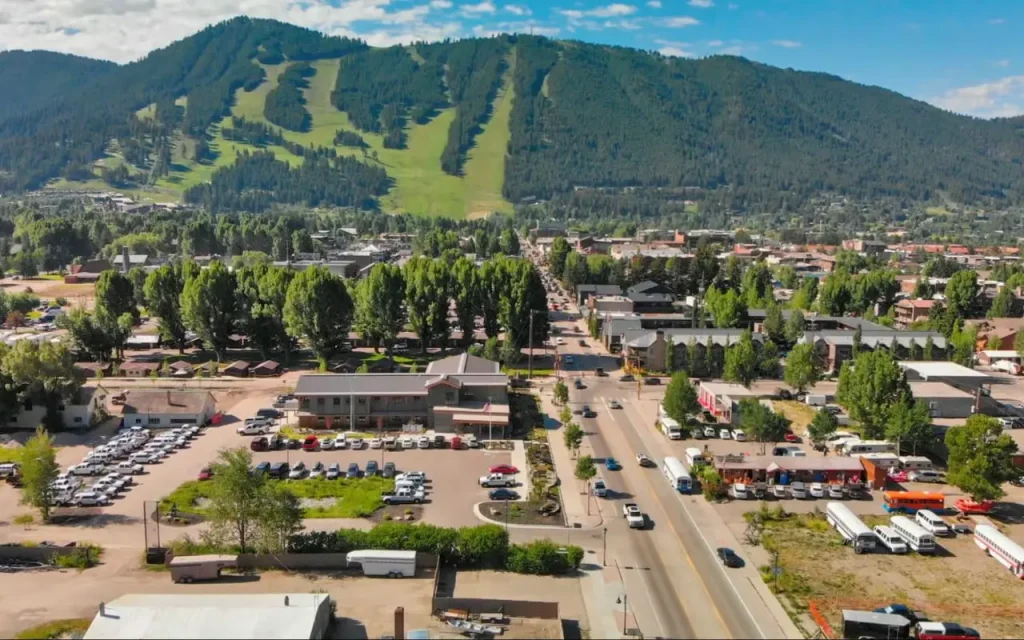
First, there is no statewide personal income tax, one of the few states in the U.S. to implement this policy . For middle and upper income earners and the self-employed, this means more disposable income. Second, Wyoming’s real estate property tax rate is lower than the national average. According to data released by the Tax Foundation, the statewide average effective property tax rate in 2024 is 0.56 percent, the ninth lowest in the nation. By comparison, Texas is as high as 1.6 percent and Illinois is even higher than 2 percent.
Despite its light personal tax burden, Wyoming is also relatively lenient when it comes to corporate taxes. For example, there is no corporate income tax or franchise tax, which provides more room for investors who want to set up a local property management company or engage in short-term rental business to operate. Moreover, the state has no state estate tax on property inheritance and gifting, which is suitable for long-term asset planning.
This set of policies not only reduces the cost of ownership but also increases the net return on property. Popular markets such as Jackson and Sheridan have attracted a large number of investment buyers from high tax burden states such as California and New York, who are looking to Wyoming as a destination for asset transfer and risk diversification. The economic benefits of these policies are real for those who plan to hold property or operate short-term rentals for the medium to long term.
Quality of Life and Attractiveness of the Natural Environment
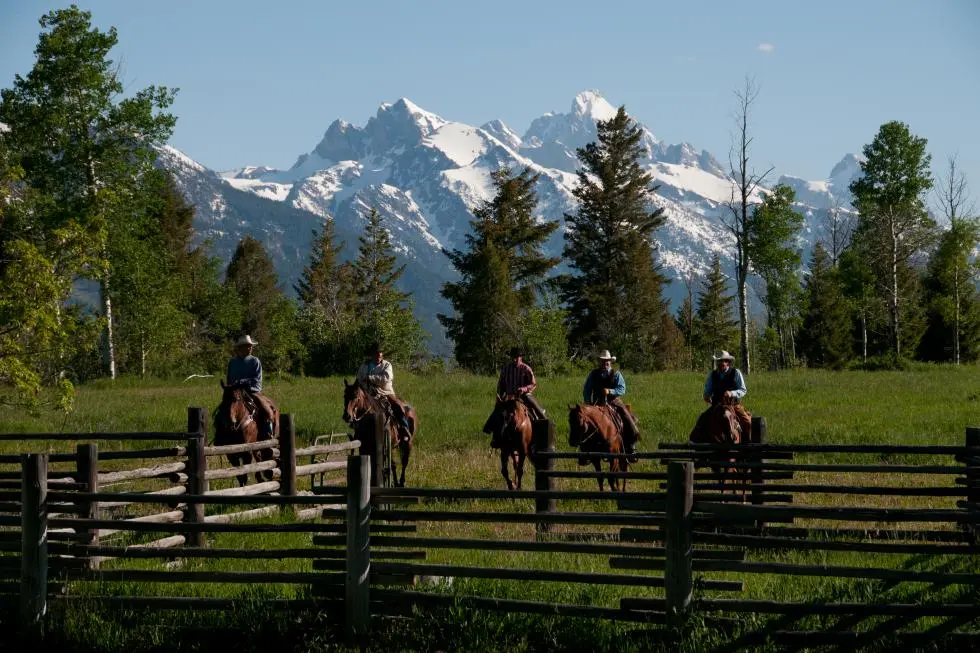
In the aftermath of the epidemic, many people began to reexamine their living conditions and wanted more privacy, clean air and a slower pace of life. Wyoming has just all of these things.
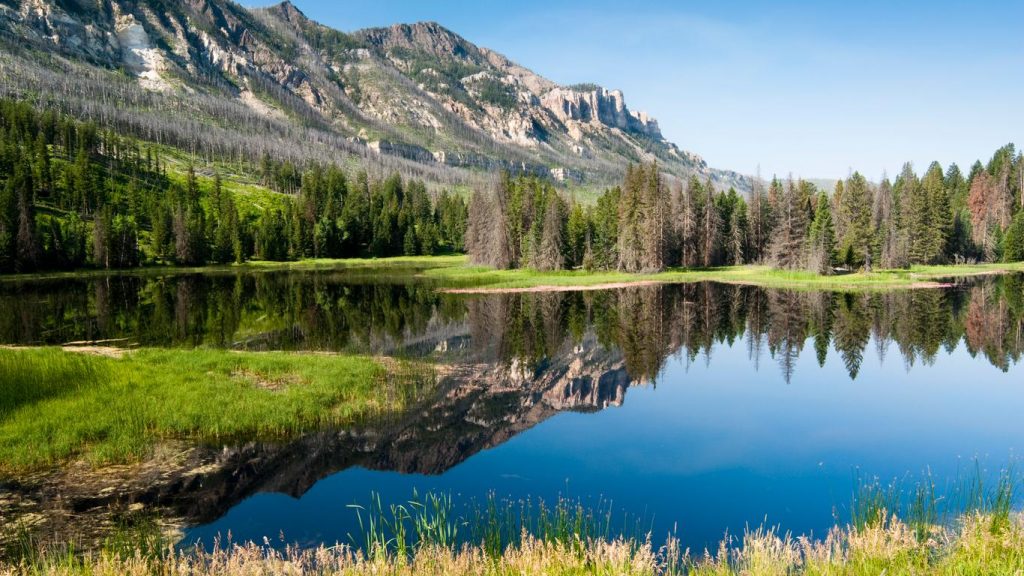
Wyoming has one of the largest numbers of national parks in the country, including landmarks such as Yellowstone and Grand Teton, as well as a large number of undeveloped nature preserves. Whether it’s hiking, skiing, fishing or horseback riding, it’s an easy place to realize a daily lifestyle close to nature. For those accustomed to city life, this closeness to nature is an attraction in itself.
According to monitoring reports released by the U.S. EPA, Wyoming’s annual average PM2.5 values in most cities are well below the national average and have long ranked in the top 10 of states with the cleanest air in the nation. This, combined with low industrial density and the absence of high-intensity traffic pollution, makes it a healthy place to live for many families and retirees.
Wyoming cities such as Laramie and Sheridan generally have commute times of less than 15 minutes, congestion-free downtowns, and small towns where residents know each other well and have a strong sense of community. These details are unobtrusive but are a reflection of a significantly improved quality of life for those moving from larger cities.
Taken together, Wyoming is attracting not just homebuyers fleeing high prices but a growing number of people looking for a real lifestyle change, peace and quiet, and physical and mental comfort.
Employment Opportunities from Economic Diversification
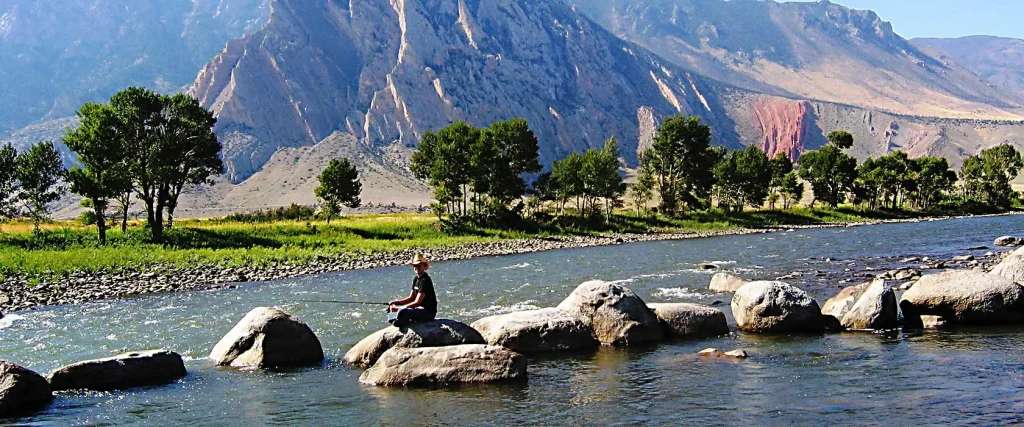
In Wyoming, much of the increased demand for housing is the result of structural changes in the economy.
The energy sector is still the mainstay, but it’s no longer the only one. For example, along Gillette and Campbell counties, coal, natural gas, and wind projects are steadily advancing, and job growth isn’t quite explosive, but it’s sustainable enough. This segment of workers and technicians often requires long-term residency, supporting a steady demand in the local low-to-moderate-priced housing market.
Tourism is another segment that is gaining steam. Millions of tourists pass through this area of Yellowstone and Jackson each year, so hotels, outdoor programs, and short-term B&B rentals need people. This drives a lot of seasonal and service jobs. Some of these people are renting, and others who have been operating in the tourist area for a long time have simply purchased a home in the area.
A relatively new change comes from telecommuting. In the last two to three years, places like Laramie and Cheyenne have begun to see the emergence of “digital nomads” or freelancers who have moved from California and Colorado. They don’t rely on local companies to make money, but they live here, buy homes, and are willing to spend a little more of their budget for a sense of space and a quieter neighborhood. The arrival of these people has also spurred the start of a number of new neighborhoods and small developments.
Potential Risks
The Wyoming real estate market, while hot, has begun to show several alarming contradictions in its structure.
The first is that the supply of new homes is severely lagging. According to the 2024 State Residential Development Report, several cities have seen less than a 3 percent increase in permits for new homes, while population influx and demand for homeownership has increased by more than 10 percent over the same period. In Sheridan and Jackson, some new communities are experiencing delays in delivery of more than six months due to extended construction cycles. This oversupply has directly pushed up home prices and made low- and moderate-priced housing scarce. If this trend continues, the barrier to entry for new buyers will become higher in the coming years, and pressure on the rental market is likely to rise in tandem.
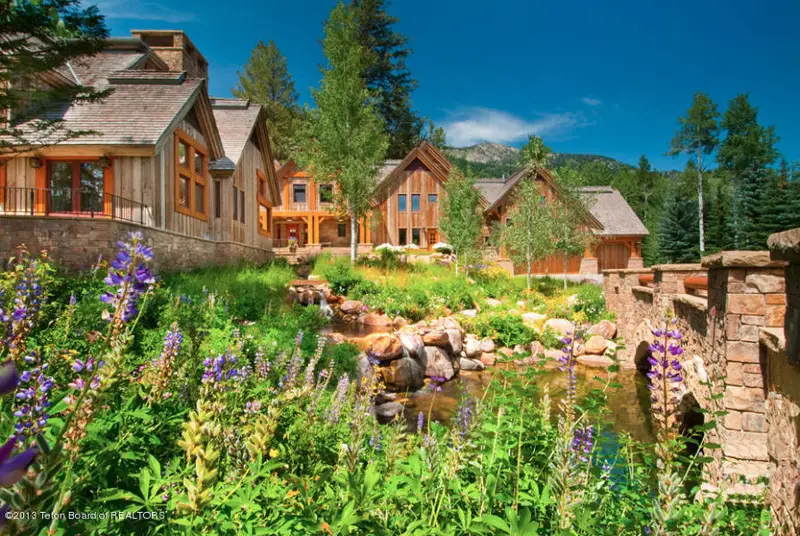
Second, the rapid pace of home price increases has caused concern among some market participants.2022 Since 2022, home prices in many parts of Wyoming have risen by more than 20 percent cumulatively, exceeding the state’s average for the past decade. While still moderately low compared to places like California and Colorado, local income growth has not risen in tandem, meaning the real burden is increasing. Once external demand slows, there is the potential for price adjustments in some areas.
Then look at the policy and financial environment. Although Wyoming’s state tax burden has stabilized, changes in interest rate policy, loan approval conditions, and other changes at the federal level will affect the market’s liquidity and willingness to invest.2024 Since the second half of the year, the average interest rate for fixed-rate mortgages has remained above 7%, and many low- and moderate-income homebuyers have had to postpone their home purchase plans. Moreover, counties and cities have begun to review the number of short-term rentals, making future returns uncertain for buyers who rely on short-term rentals for profitability.
Overall, Wyoming’s market still has room to grow, but it is no longer a good place to simply bet on rapid appreciation. Land resources, infrastructure and policy adjustments will affect real estate trends. For home buyers, it is more important to judge the return cycle and clarify the usage than to stare at the rise or fall of home prices.
Conclusion
The buoyant Wyoming real estate market reflects a combination of factors that are attracting different types of buyers, from a diversified economy to an improved quality of life. However, with rapidly rising home prices and lagging new home construction, the market is experiencing significant supply and demand pressures, which present both opportunities and tests for buyers. Uncertainty over higher federal interest rates and potential policy adjustments also increases investment risk. In the face of such an environment, you should be clear about your needs and holding period and reasonably assess the risks and rewards in order to find a truly suitable position in Wyoming real estate.
Related Reading