Preface
In the latest episode of Mornings with Maria, Scott Turner, former Director of the U.S. Department of Housing and Urban Development, addressed the severe misuse of homelessness funding and expanded the discussion to America’s ongoing housing crisis. From high homeownership costs, persistently elevated interest rates, and excessive regulatory burdens, to the strain placed on the housing system by undocumented immigrants, the nation’s housing issues have evolved from a “market imbalance” into a “structural crisis.”
However, Turner also emphasized that a series of housing reforms promoted by the Trump team are opening new pathways for growth in the market.
1. The Hidden Costs of Housing: A Crippling Burden
Source: Zillow Research
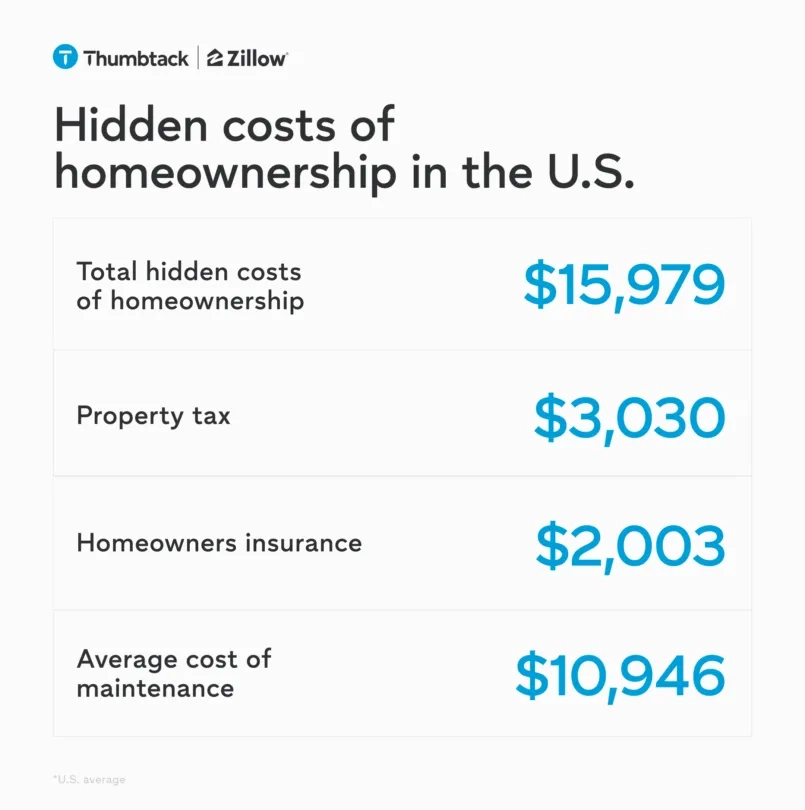
The cost of homeownership in the United States has reached a historic high. Soaring insurance premiums, rising maintenance expenses, and increasing property taxes now impose an additional non-mortgage burden of approximately $16,000 per year on American households. This means that even if home prices remain stable, the sheer weight of holding property is already deterring a significant number of families.
Moreover, these costs are growing at a rate notably faster than both the Consumer Price Index and wage growth—a key structural factor preventing housing prices from declining.
2. High Interest Rates Cause Market Stagnation, Driving Up the Age of Homebuyers
Source: Freddie Mac
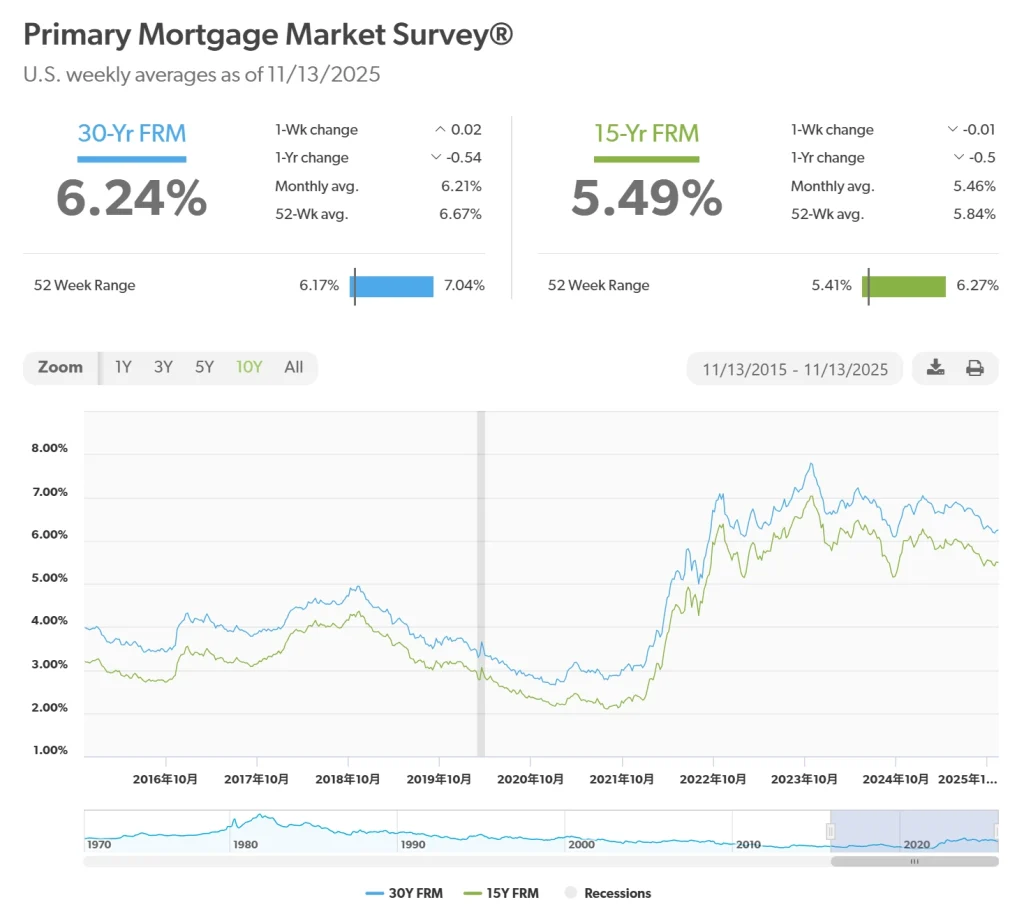
The current 30-year fixed mortgage rate of approximately 6.2% has pushed the financial burden of monthly payments to its highest level in two decades. This has directly resulted in two structural consequences:
- Insufficient Purchasing Power: The high monthly payments exceed what many households can afford, preventing them from being able to purchase a home.
- Housing inventory lock-in effect: Because many homeowners hold older mortgages with much lower interest rates, they are unwilling to sell their existing homes and take on a new high-rate loan.
The simultaneous squeeze on both supply and demand has not only driven rents higher, but also further delayed the timing of young people purchasing their first home, systematically pushing up the average age of homebuyers.
3. High Regulatory Costs Remain the Root Cause of Housing Shortages
Source: Eye On Housing
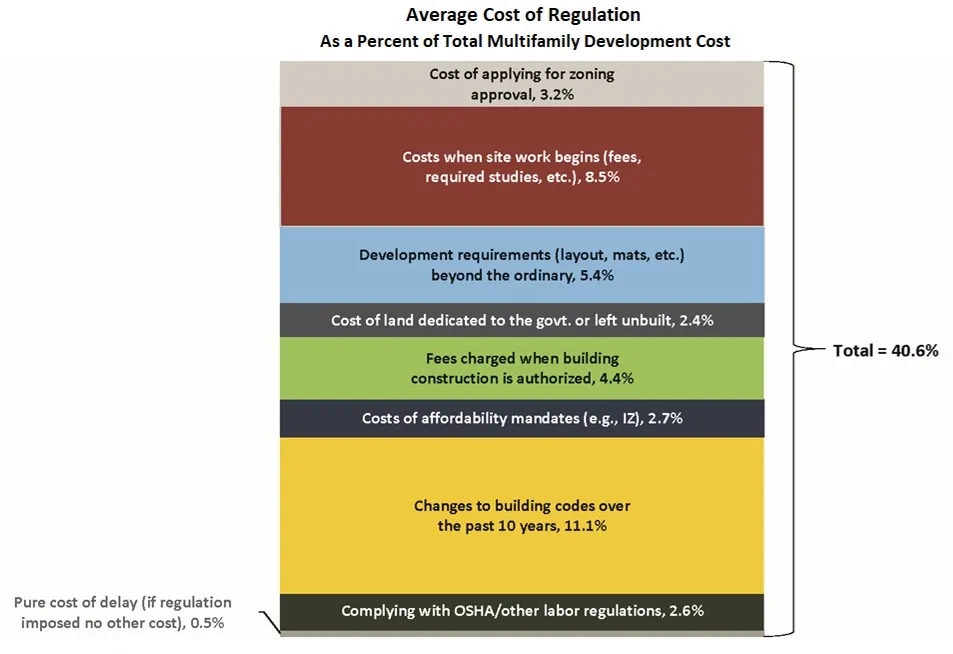
The primary cause of America’s housing shortage lies in excessively high regulatory costs, which constitute approximately 40% of total development costs for multifamily homes and 20–25% for single-family houses.
These include land-use approvals, building codes, environmental reviews, traffic impact studies, and local council approvals — all of which create project delays and drive costs sharply higher.
The burden of regulation not only raises home prices but also makes housing shortages a long-term, structural problem.
Turner noted: “If regulatory issues are not fixed, America will never have enough housing.”
4. Immigration Inflows Crowding Out Federal Subsidies, Worsening Housing Crunch
Turner pointed out that the influx of over 12 million undocumented immigrants has placed significant strain on the housing system, particularly through:
- The significant use of HUD-assisted housing by undocumented immigrants.
- Soaring costs of shelter services in major cities.
- Increased pressure on homeless services systems.
The Trump administration has proposed a series of reforms, including:
- Barring undocumented immigrants from accessing federal housing assistance.
- Requiring public housing authorities to verify applicants’ immigration status.
- Imposing strict penalties on lenders that extend FHA-backed loans to undocumented individuals.
- Ensuring taxpayer-funded housing support is dedicated to U.S. citizens.
These measures are expected to substantially alleviate fiscal pressure at the municipal level and help restore the housing system to normal operation.
5. Opportunity Zone Policy Mobilizes $90 Billion as a Rare Effective Growth Engine
The Opportunity Zones program, introduced under the Trump administration, uses capital-gains tax incentives to encourage investment in economically distressed areas. It has already produced notable results:
- Attracted around USD 90 billion in private capital.
- Supported the development of approximately 300,000 new housing units.
- Stimulated improvements in commercial activity, infrastructure, and local employment.
Turner emphasized that the Trump team plans to make the Opportunity Zones program permanent, in order to create a stable, long-term investment environment. This is expected to become one of the most important policy engines in the U.S. housing market over the next decade.
Source: OpportunityDb
6. Trump’s Housing Reform: A Virtuous Cycle from Cutting Costs to Expanding Supply to Boosting Demand
1) Introduce 50-Year Mortgages to Ease Monthly Payment Burden
By extending the loan period, monthly obligations can be significantly lowered, leading to several market impacts:
- Releasing pent-up housing demand.
- Easing monthly cash flow pressure on borrowing households.
The goal is to make homeownership more accessible for young families.
2) Slash Regulatory Costs and Restore Local Zoning Autonomy
Trump advocates repealing the “Affirmatively Furthering Fair Housing” (AFFH) rule and returning planning and approval authority to local governments, freeing them from complex federal regulations.
This policy is expected to deliver the following outcomes:
- Shorten housing construction timelines.
- Reduce development costs.
- Increase the supply of affordable housing.
- Enhance predictability for development investments.
3) Permanently Extend the Opportunity Zone Program
This would lock in long-term capital gains tax incentives, attracting sustained investment from funds, institutions, and individuals into the revitalization and housing development of low-income urban areas.
Potential long-term outcomes may include:
- Revitalization of older neighborhoods, with improvements in community environments and public services.
- Develop large-scale mixed-use projects (integrating residential, retail, and office spaces) to enhance urban vitality.
- Increased employment and reduced crime rates.
- Rising property values and rental levels in low-income areas.
4) Implement Strict Immigration-Based Housing Screening
This policy would reclaim federal housing resources from undocumented immigrants through verification, restrictions, and enforcement.
Potential benefits include:
- Substantial reduction in fiscal waste
- Improved efficiency in the use of homelessness funding
- Eased housing pressure and supply-demand imbalances in major cities
7. Overhaul to Reshape U.S. Housing, With States Like Ohio as Top Beneficiaries
Once the Trump team’s housing reforms are fully implemented, they are expected to produce several key outcomes:
1) Lower development costs leading to greater housing supply
Regulatory easing means construction becomes faster and cheaper—especially benefiting states like Ohio, which have abundant developable land. As a result, a substantial number of affordable yet high-quality homes are expected to enter the market.
2) Continued capital inflows into Opportunity Zones will drive growth in Midwestern cities
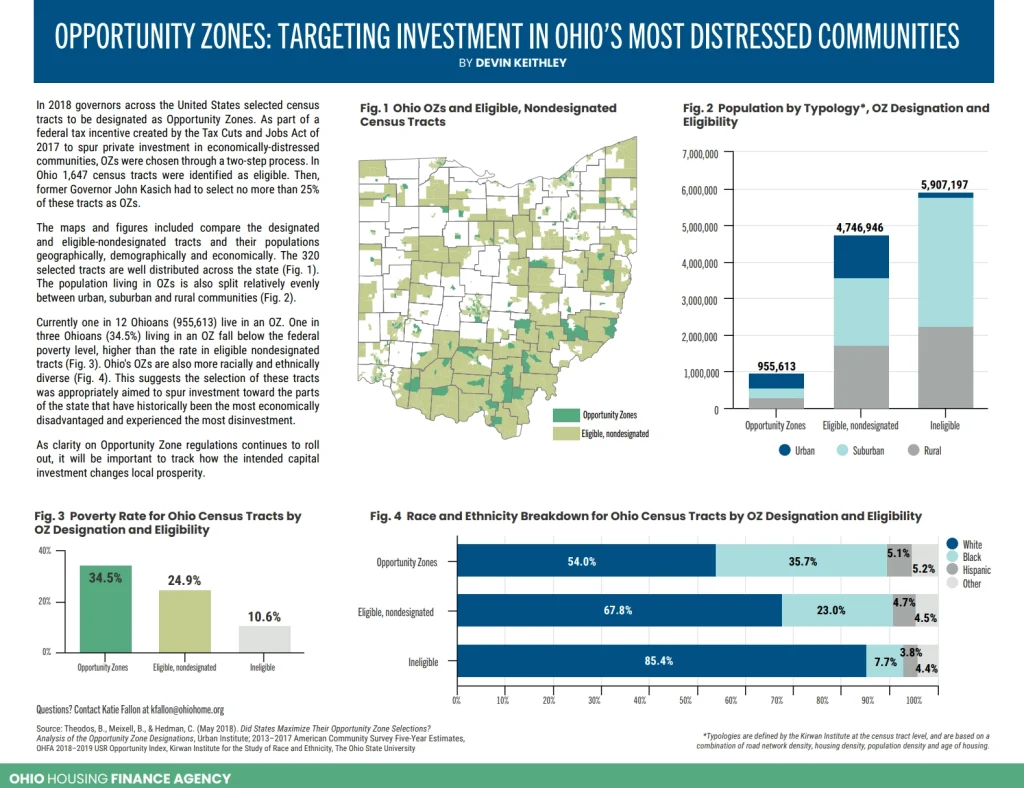
Opportunity Zones are heavily concentrated in the Rust Belt and Midwestern states, and Ohio’s Columbus, Cleveland, and Cincinnati are among the most densely covered areas. This means that in the future these cities can expect to:
- Attract greater capital investment.
- Accelerate commercial and housing development.
- Strengthen regional economic vitality.
- Gain stronger appreciation potential in both home prices and rents.
3) High-Cost Cities Drive Population and Capital Flow to Low-Cost Regions
In major metropolitan areas such as New York, Los Angeles, and Chicago, persistently rising home prices, living expenses, and business operating costs are placing increasing economic pressure on many middle-class families and companies. In search of more affordable living and operating environments, they are gradually turning their attention to cities in the Midwest.
At the same time, a series of new real estate policies, exemplified by the Opportunity Zone program, are expected to stimulate urban renewal and infrastructure improvements in lower-income areas. These initiatives not only enhance local livability and neighborhood vibrancy but also strengthen these cities’ appeal to both people and investment, thereby creating a virtuous cycle of development.
Conclusion
Amid the current environment of high interest rates and elevated costs, the U.S. housing crisis is unlikely to ease in the short term. However, the reforms proposed by the Trump team are shaping into a comprehensive cycle of “cost reduction, supply expansion, and catalyzing investment.” Among all potential beneficiaries, Ohio stands out as one of the real estate markets most likely to experience structural growth over the next 5–10 years.