“Quick resale” is a real estate investment strategy that involves purchasing a property, renovating or repairing it, and then selling or renting it out at a higher price within a short period of time.
This investment approach is particularly suitable for investors who buy older or distressed properties, carry out substantial renovations, and then resell or lease them. Such strategies often yield significant profits.
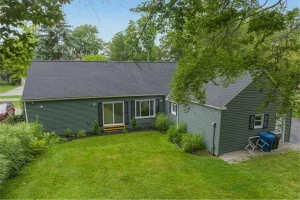
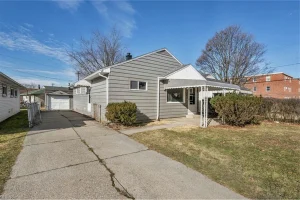
In October 2018, I purchased a property on Grand Division Avenue in Cleveland, Ohio, with a one-time payment of $36,000. The property featured four rooms, front and back yards, a basement, an attic, and parking space.
The interior condition was extremely run-down: some wallpaper had peeled off, the ceiling looked as though it could collapse at any moment, the garden was overgrown with weeds, the wooden fence was falling apart, and many branches on the trees were dead. Fortunately, the overall building structure remained intact and was free from pest infestations. Despite its shabby appearance, the property was significantly underpriced compared to similar homes in the neighborhood, making it a promising investment.
I spent $26,000 on a full renovation, including repainting both the interior and exterior walls with fresh, vibrant paint, installing low-maintenance hardwood floors, and replacing ceiling fans and light fixtures to improve air circulation indoors.
The garden was professionally landscaped, with the lawn turned lush green and trees neatly trimmed. The property looked completely refreshed. To boost rental income, I converted the house into a duplex—splitting it into two separate units to be rented by two different families. After the transformation, the property attracted two quality tenants who paid $650 and $625 in rent, generating a total monthly cash flow of $1,275.
Including $3,000 in government-related administrative fees, my total investment in the project amounted to $65,000. Annual expenses, such as garden maintenance, sewage, water bills, property taxes, reserve funds for future repairs, and a 10% property management fee (based on rental income), totaled approximately $5,800. After deducting these expenses, the net rental yield came to an impressive 14.6% per year.
Two years later, I decided to sell the property. Since major renovations had already been completed and the property came with existing rental agreements, it was more attractive to potential buyers. Ultimately, the property sold for $92,000. After subtracting all fees, including commissions and administrative costs, my actual income from the sale was $83,500. The net return from this quick resale project was 28%.
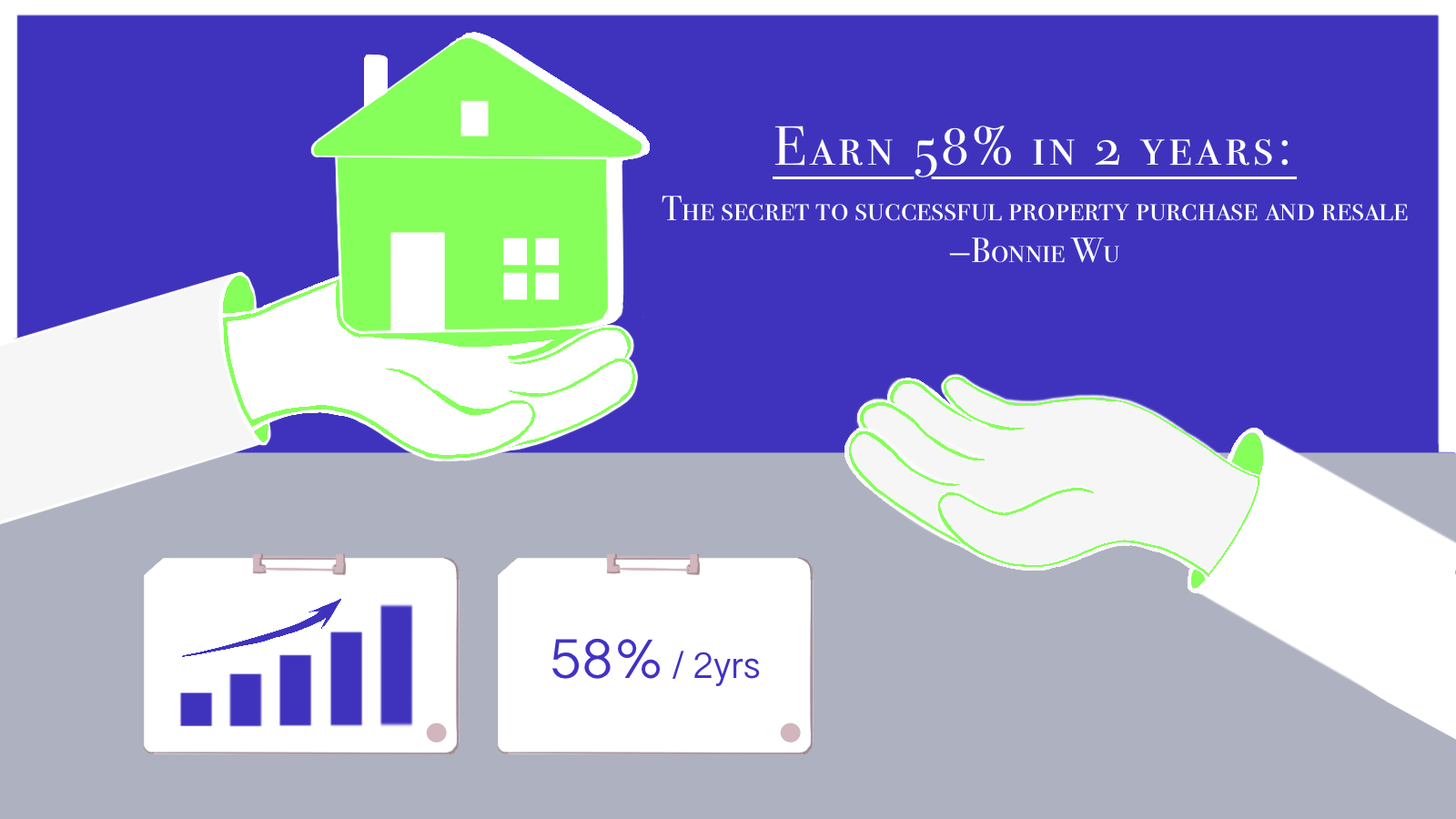
Overall, I achieved a nearly 58% cumulative return over two years. This case demonstrates that as long as a property is in a good location and free from major structural or pest issues, a worn-out appearance shouldn’t deter investors. In fact, such properties often present valuable opportunities and can deliver unexpected returns.
Written by: Capstone 72 founder Bonnie Wu
Editor: Chen Wenzheng
Click to view the original text.
Related Reading