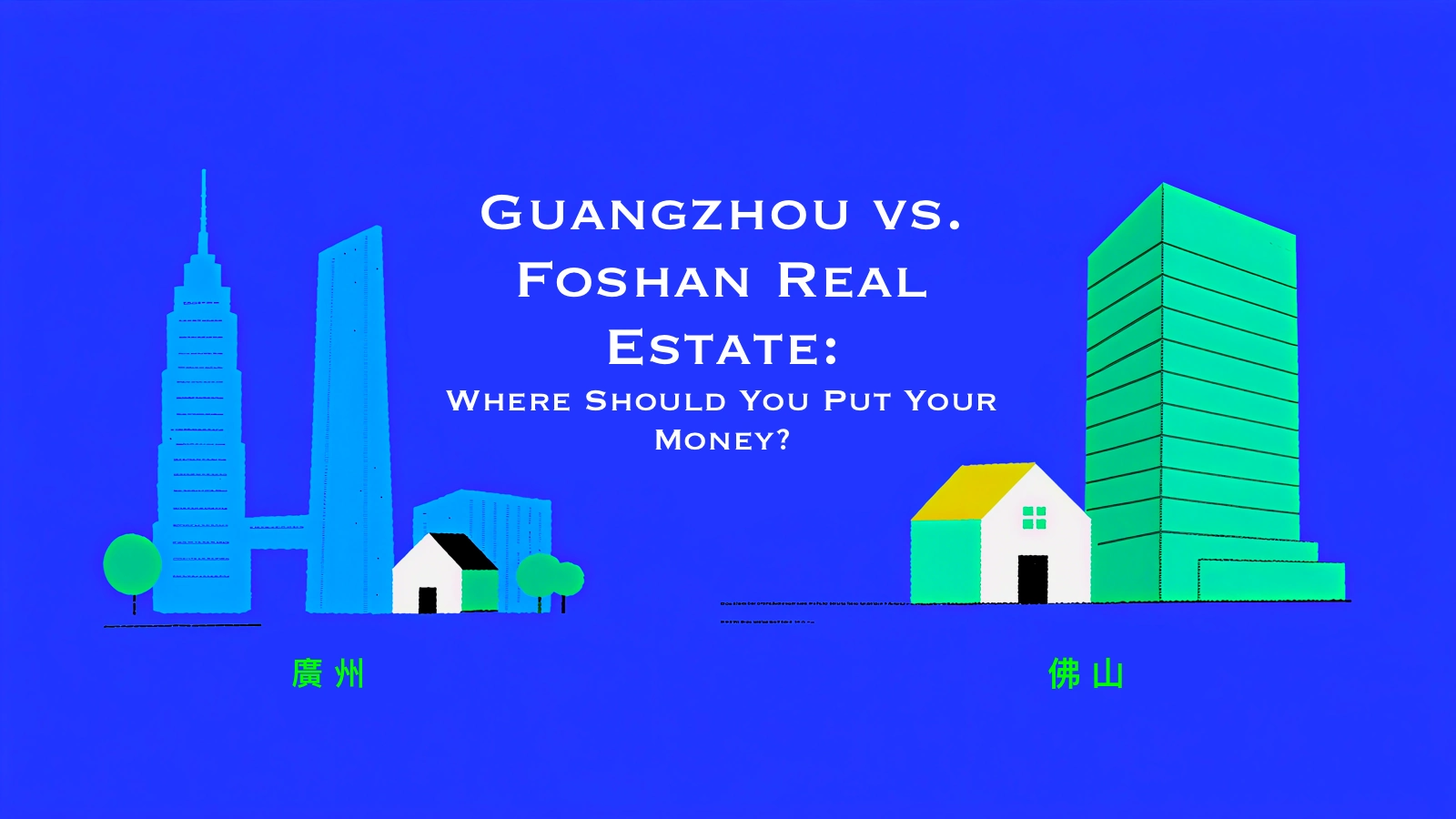
Guangzhou and Foshan, with their geographic proximity and complementary industries, are showing different faces in the real estate market. As the integration of Guangdong, Hong Kong and Macao Greater Bay Area accelerates, Guangzhou vs. Foshan Real Estate has become the focus of more and more investors’ attention and comparison.
In this article, we will help you determine which city is more suitable for your investment goals in terms of market environment, property purchase threshold, and return expectation.
Overview of the Guangzhou vs. Foshan Real Estate Market Environment
Before you can really assess the value of a property, you can’t just focus on price or location, but you need to go back to the way the city itself is functioning. For example, is its population flowing in or out? Are the leading industries stable? Is the city expanding at a fast pace?
All of these will affect housing demand and future market trends. Although Guangzhou and Foshan are closely linked, their respective urban structures and development approaches are not the same.
Guangzhou
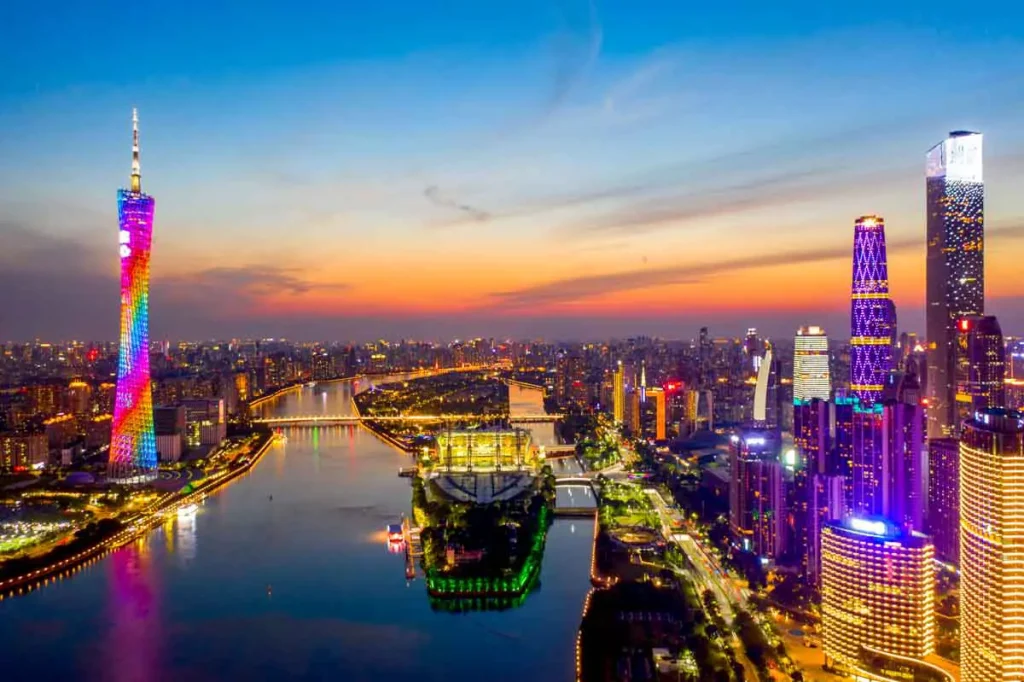
As a key first-tier city in the country, Guangzhou’s real estate market as a whole is maturing at a relatively stable pace. The concentration of resources within the city has attracted a large number of permanent residents and foreign employment, which has provided long-term support for housing demand.
In recent years, regulatory policies have continued to tighten, especially in terms of stricter restrictions on purchases and loans, resulting in an overall suppression of house price increases and little fluctuation. However, in core areas such as Tianhe, Haizhu, and Yuexiu, due to limited land supply and high-quality school districts and support facilities, housing is always in short supply, and second-hand transactions remain active, and the winning rate of new homes is often low.
If you are going to enter the market in these areas, then you must have budgetary strength and a certain ability to wait as well as to judge.
Foshan
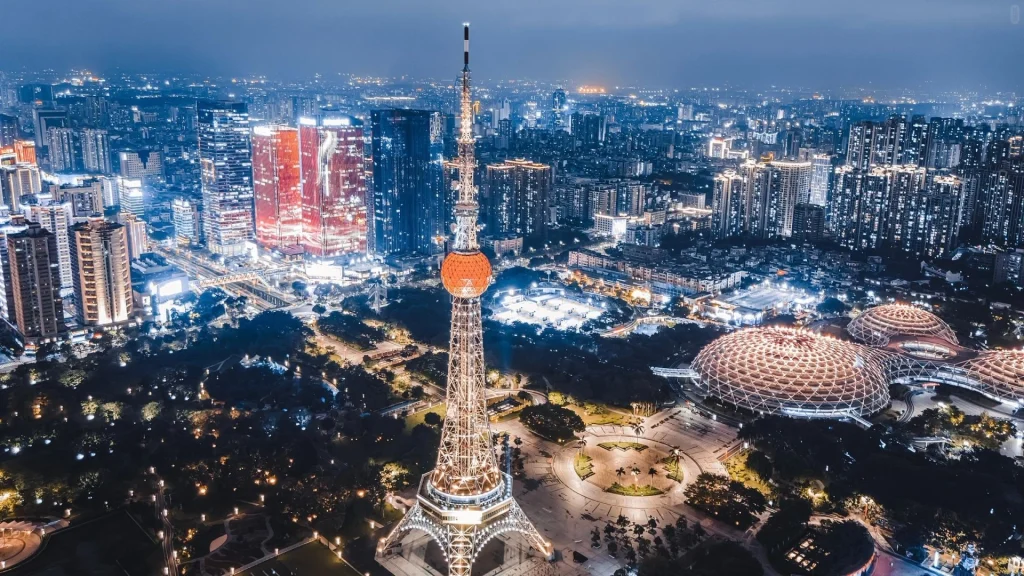
If you are calculating in your mind, “I am not pursuing the doubling of housing prices; I just want to steadily put a little rent into the account,” then certain areas of Foshan can be considered. For example, Qiandeng Lake, Sanshan New City, and such areas are surrounded by the subway. There are office buildings, and many working in Guangzhou and living in Foshan are office workers who will be looking for housing here. The rental market is active, and many properties can be rented out in a few days after listing, with a relatively short vacancy period.
More crucially, it does have a friendlier rent-to-own ratio compared to Guangzhou. You may invest more than a million dollars to buy a small apartment and easily rent it out for 2,000 to 3,000 per month and calculate that the annual rental return can reach about 3%. In contrast, in Guangzhou, to spend two or three million to buy a suite, the rental return is not necessarily high.
Of course, this does not mean that all areas of Foshan are suitable for rental investment. If you intend to go this route, it is recommended to focus on boards with convenient commuting, dense pedestrian flow, and industrial support. Choose the right location and control holding costs so that you can really put your cash flow into practice. You will find that in Foshan, “rent to support the loan” is not an empty phrase but a realistic path that can be realized.
Investment Thresholds and Financial Requirements
After understanding the market environment in both places, the next thing to consider is the threshold and the capital required when actually buying a home. After all, even the best projects are difficult to enter if you don’t have enough money or if there are too many policy restrictions.
Different cities vary significantly in terms of home-buying qualifications, down payment ratios, and lending policies. Next, the specific performance of Guangzhou and Foshan in terms of investment thresholds and capital requirements will be analyzed.
Guangzhou: High Total Price, High Down Payment Requirement
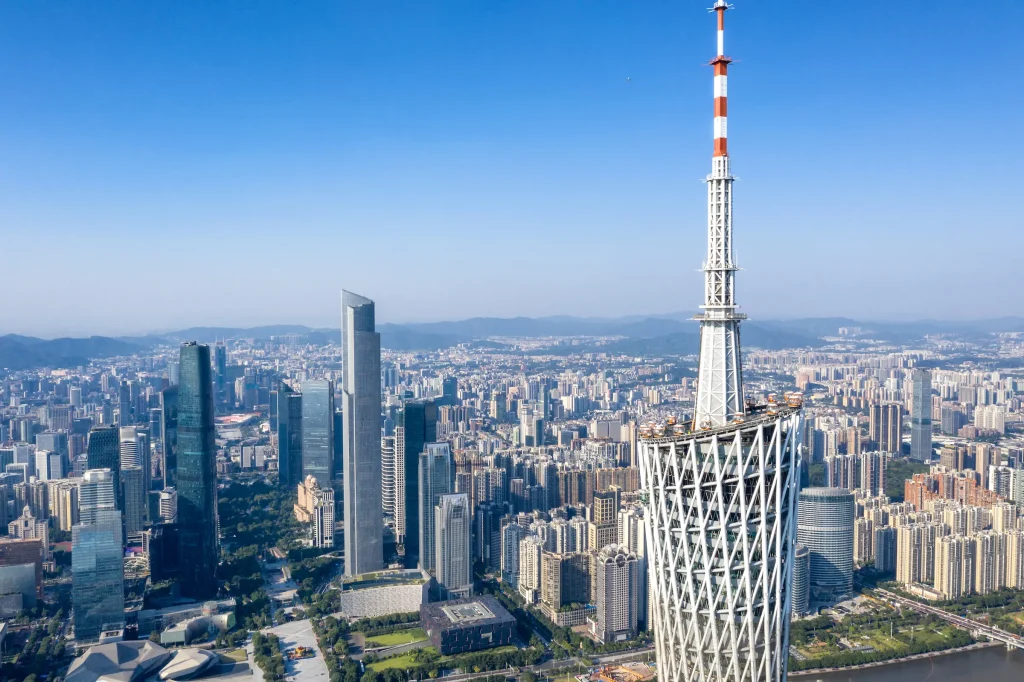
Many people think that the total price of a home in Guangzhou is high and the threshold is strict. This is true, especially in the city center and popular areas. The price of housing can easily be several million to start with, so many home buyers feel the pressure. Take a set of about 100 square meters of improved housing as an example; the total transaction price is often more than 5 million. Such prices mean that the down payment should be at least 30%, and sometimes the down payment for the second suite and investment houses will even be increased to 40% or even higher.
Not only that, but Guangzhou’s restrictions on eligibility to purchase a home are also quite strict. For non-Guangzhou household buyers, it is usually required to have paid social security or personal tax in Guangzhou continuously for 3 to 5 years.
This is a major threshold for many migrant workers and investors. Even if they meet the purchase qualifications, loan approvals are more stringent, and loan amounts and interest rates are less favorable than those for local household buyers.
For investment buyers, Guangzhou’s policies are equally restrictive. The restriction on purchases and loans has greatly reduced the space for short-term buying and selling and speculation, and the market is characterized by more owner-occupier demand and long-term holding funds. If you want to invest in real estate in Guangzhou, you need to be prepared to hold the property for at least 3-5 years, or even longer, to see stable returns.
Of course, this high threshold also represents the relative scarcity of properties in the core areas of Guangzhou and their strong resistance to decline. As long as you have enough capital and are willing to hold for a long time, Guangzhou’s quality resources, perfect supporting facilities, and demographic dividend still provide investors with a solid guarantee.
Do you think this investment strategy meets your expectations? Or do you prefer to look for markets with a lower threshold?
Foshan: Low Down Payment, More Relaxed Policies
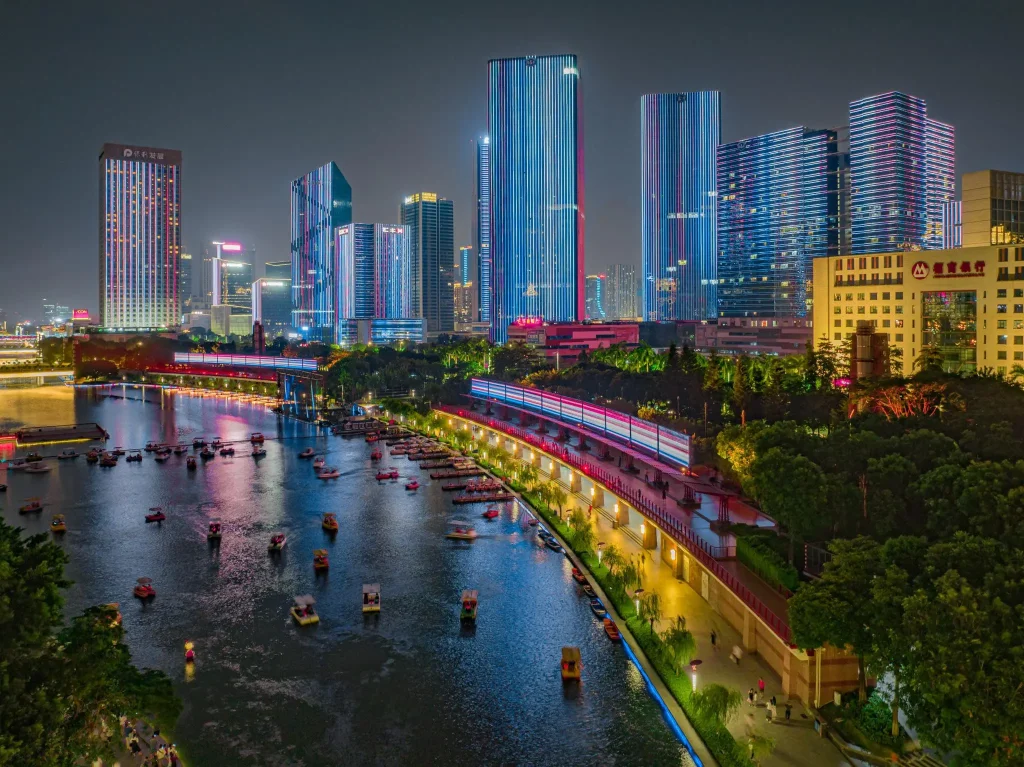
Guangzhou vs. Foshan real estate: Foshan’s home purchase threshold is obviously much looser, which is why many buyers who are new to the market or don’t have enough money will prefer to choose Foshan.
First of all, some areas in Foshan do not have purchase restrictions, and the qualifications for purchasing a home are relatively loose. For most local and foreign buyers, the purchase conditions are not as harsh as those in Guangzhou; no complicated social security or tax years are required, and loan approvals are also relatively relaxed.
The down payment ratio is generally around 30%, and some properties even offer lower down payment concessions for first-time buyers, which greatly reduces the financial pressure of purchasing a home. For example, to buy a home in Foshan with a total price of about 1.5 million yuan, the down payment may only be about 450,000 yuan.
Furthermore, Foshan has an abundant choice of housing stock; whether it is small, affordable homes or improved three- or four-bedroom homes, the market is well supplied. This diversified product mix is suitable for different levels of investment needs.
For investors with limited funds or those who don’t want to invest too much money in one go, they can diversify their risks by purchasing multiple sets of small apartments or gradually accumulating property assets to lower the investment threshold.
Conclusion
Guangzhou’s and Foshan’s strengths in real estate are not in opposition to each other, but each has its own positioning. Before investing, you should clarify your budget, goals, and risk tolerance, and then make a more rational judgment by combining the characteristics of the cities.
Although the market changes quickly, the right strategy is to walk steadily.
Related Reading