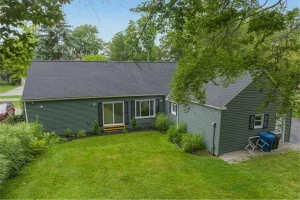
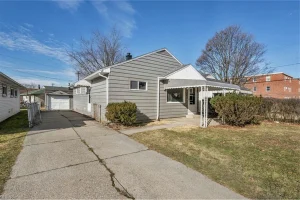
Recently, a reader asked the author a question: Even though the Ohio real estate market is thriving, if there is no plan to move and live locally, is it still worth investing?
This question raised by the reader is one that many investors face and also serves as a reminder that investors need to clearly understand their purpose for purchasing property—whether for personal residence or investment.
Quality self-occupied properties typically have advantages such as convenient transportation and prime locations but are not necessarily ideal for investment.
Conditions for purely self-occupied and purely investment properties differ significantly.
Therefore, before selecting overseas property, the primary consideration should be whether the property is intended for self-use or investment. These two purposes must not be conflated, to avoid making misjudged decisions.
■ Any Property That Generates Income is Considered Quality Property
From the author’s perspective, any property that can generate returns for investors is considered quality property. When selecting properties, investors should focus on the potential appreciation of the property’s location and whether the rental market in the area is thriving. This ensures the attraction of stable tenants, achieving dual benefits of asset appreciation and monthly cash flow.
According to a housing study by the Ohio Home Builders Association, Columbus is currently facing a housing shortage. The city needs to build 14,000 new housing units annually to support its growing population, but currently only 8,000 units are constructed annually. With housing units falling short by 6,000 per year compared to predicted demand, the city lacks sufficient housing supply, consequently driving up housing costs. In recent years, housing prices have risen at five times the rate of median household incomes, and rents have increased at twice the rate.
■ Low Building Density Causes Supply Shortage
A significant factor contributing to the insufficient housing supply in Columbus is the low building density. Some experts believe the shortage in housing construction in Columbus is a regional issue, suggesting the creation of a regional zoning body to develop policies based on the entire region. However, resistance from some local communities towards increasing construction density has made it difficult for developers to construct additional housing units.
■ Population Growth is Another Challenge
Aside from the housing supply issue, population growth poses another significant challenge. As previously mentioned in this column a few weeks ago, Ohio has attracted substantial corporate investment and large-scale factory construction in recent years, drawing in a considerable workforce. This population growth rate has outpaced housing construction, causing demand for housing to continue rising and exacerbating the imbalance between supply and demand in Columbus’s housing market.
The issues mentioned above require extensive coordination and possibly policy reforms to resolve. Nevertheless, these challenges also present significant opportunities for property investors. Many Americans prefer renting over purchasing homes, creating stable demand in the rental market. Coupled with the aforementioned policy issues and population growth, Ohio’s property rental market still holds considerable growth potential.
Author: Bonnie Wu, Founder of Capstone 72
Editor: Yip Lai Man
Published: July 29, 2023, 13:04
Last Updated: July 29, 2023, 13:56
Related Reading