There is a very special city in the United States whose real estate is a paradox written by the “chip boom,” “water crisis,” and “inherent lack of resilience”—that city is Phoenix. Despite issues such as resource constraints and housing market volatility, Phoenix’s strong industrial investment and continued demographic dividend still make its real estate market a valuable long-term investment.
1. What makes it the hottest real estate market?
1) Silicon Desert: A Hub for Advanced Manufacturing and Technology
- Semiconductor Empire: TSMC and Intel are investing hundreds of billions of dollars in the Phoenix metropolitan area to build the world’s most advanced chip manufacturing plant. This represents more than the arrival of two industry giants; it’s the creation of a semiconductor industry ecosystem with numerous upstream and downstream supply chain companies and huge employment demand.
- Alternatives for California: Compared to California’s high taxes, high operating costs, and strict regulations, Phoenix offers a very attractive alternative. Tax breaks, friendly and efficient government services, low operating and living costs, and flexible labor regulations are all factors that have driven proactive strategic shifts by businesses and talent.
2) Rapid Population Growth and Its Structural Optimization
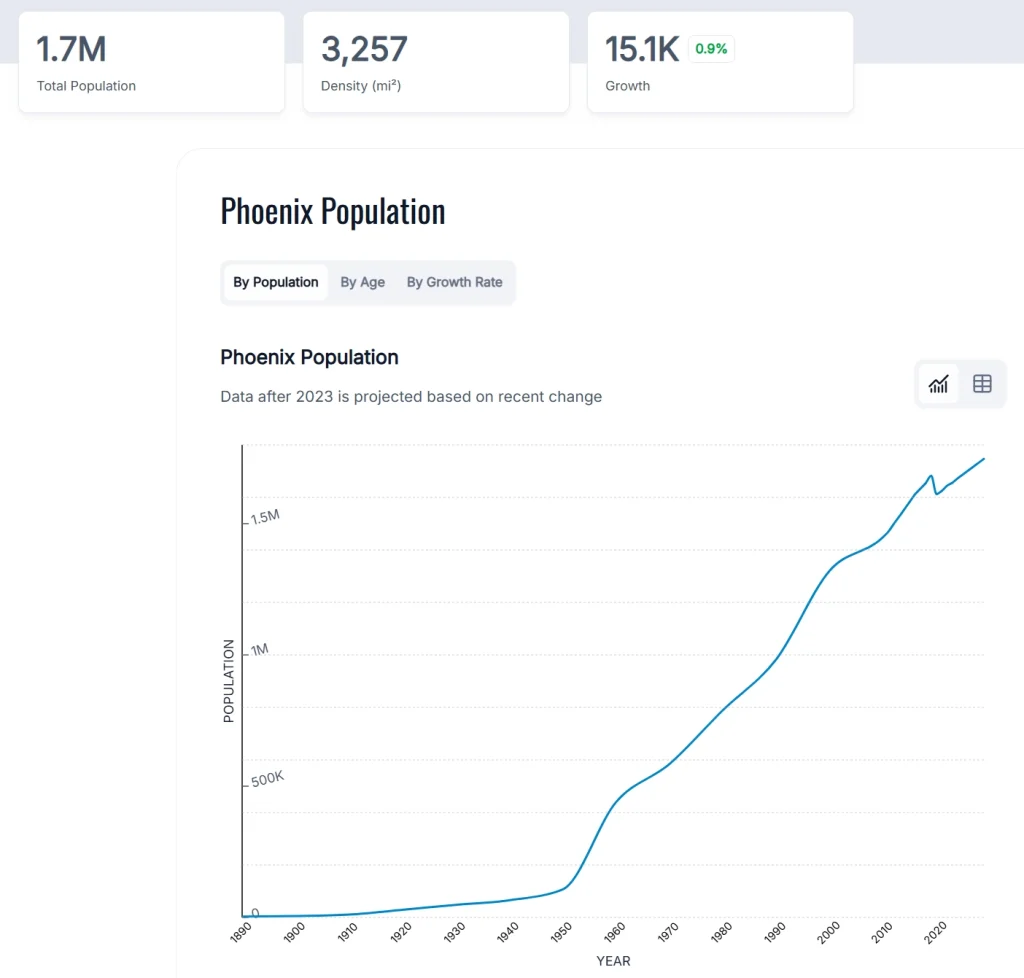
- Population Growth: According to World Population Review’s city-population data for Phoenix, Arizona, Phoenix’s population is growing at an annual rate of 0.9%, nearly twice the national average. The population is projected to reach 1,688,306 in 2025, a 4.7% increase from 2020. Rapid population growth has created significant housing demand in Phoenix.
- Population Structure Optimization: Arizona State University, as one of the largest and most innovative public universities in the United States, not only produces a large number of engineers and graduates, but also serves as an incubator for innovation, attracting and retaining talent from outside the city.
3) The Ultimate Experience of a Master-Planned Community
- Master-planned communities are the core of the Phoenix real estate market. They are uniformly planned by the developer, featuring standardized architectural styles and comprehensive amenities such as parks, trails, schools, shopping centers, and recreational facilities, essentially functioning as fully-equipped mini-cities. The community is very attractive to families because of its high-quality housing, convenient living, and excellent security.
2. The Root Causes of Real Estate Turmoil
Beneath its hot surface, this market exhibits volatility significantly higher than the U.S. average. Ironically, the root cause of this risk is intrinsically linked to the very fervor of its real estate sector.
1) Housing Price Bubble & High Leverage
- The overheated market has attracted a large influx of speculative capital, inflating the housing bubble. Widespread use of high leverage among local buyers means a macroeconomic downturn or rising interest rates could trigger a rapid collapse. The most direct example is the 2008 global financial crisis, which caused Phoenix home prices to plummet, revealing the market’s inherent fragility.
2) Water Resource Constraints
- For a metropolis with millions of inhabitants in the desert, water scarcity is an unavoidable problem. Typically, water resources are allocated as a priority to regions and industries with high economic value to safeguard development. Consequently, areas of lower economic value are bound to diminish gradually due to water scarcity. This is also a key reason why suburban assets have fallen in value and even become abandoned assets, while core mature communities are more resilient.
3) Capital Manipulation
- Phoenix’s abundance of master-planned communities and strong housing demand make it highly appealing to iBuyers and institutional investors. Their large-scale acquisitions of real estate drive up prices during market upturns, increasing the bubble; however, during market downturns, they may also sell off properties in a concentrated manner to recoup funds, becoming a catalyst for market collapse.
3. Investment Guide: Choosing Right Is Everything
In Phoenix, the allocation of water resources and market risks vary greatly across different areas. Core areas typically boast the highest priority water rights, the best-developed infrastructure, and the strongest job demand. Conversely, suburban communities may offer cheaper housing, but their potential risks could lead to asset devaluation.
1) Chandler & Gilbert: The Choice for the Future
- Core Advantages: These two cities are the biggest beneficiaries of Phoenix’s Silicon Desert. Chandler is home to Intel’s massive manufacturing facilities, while Gilbert is known for its top-tier school district and unparalleled master-planned communities. This combination attracts a large number of highly educated, high-income tech professionals and families.
- Water Resource Supply: As mature core cities, they are incorporated into the Central Arizona Project (CAP) water supply system, ensuring a diverse and reliable water source.
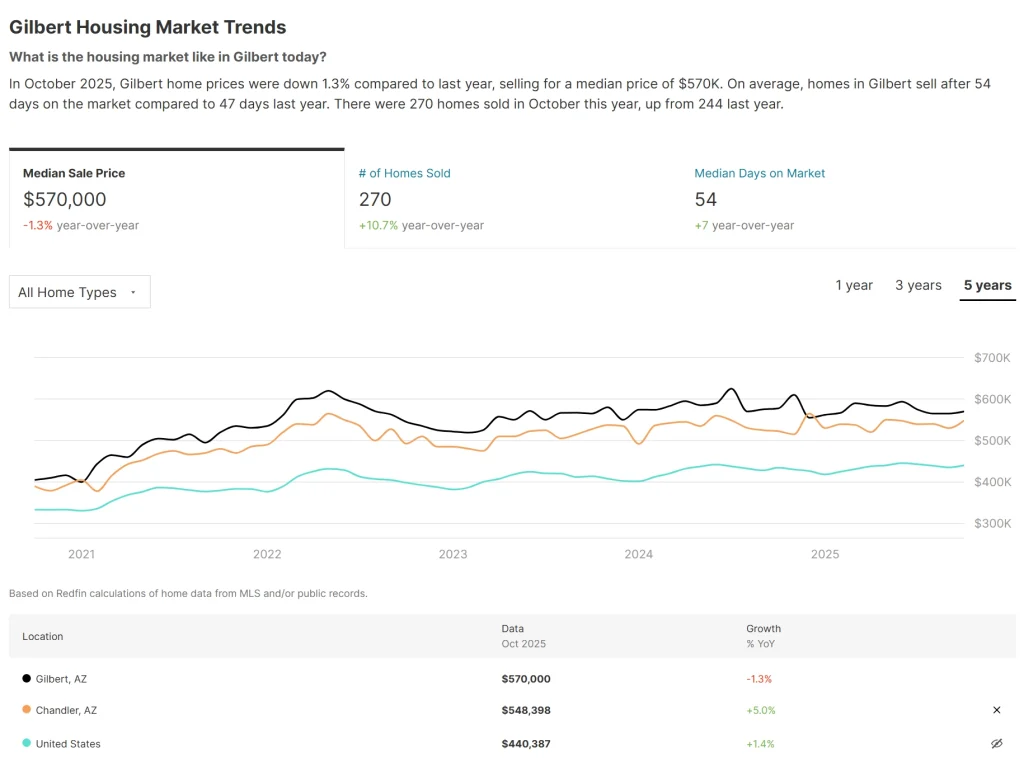
- Market Performance: Home price increases in this region have consistently outpaced the national average and demonstrated remarkable resilience. By investing here, you are buying the future of Phoenix.
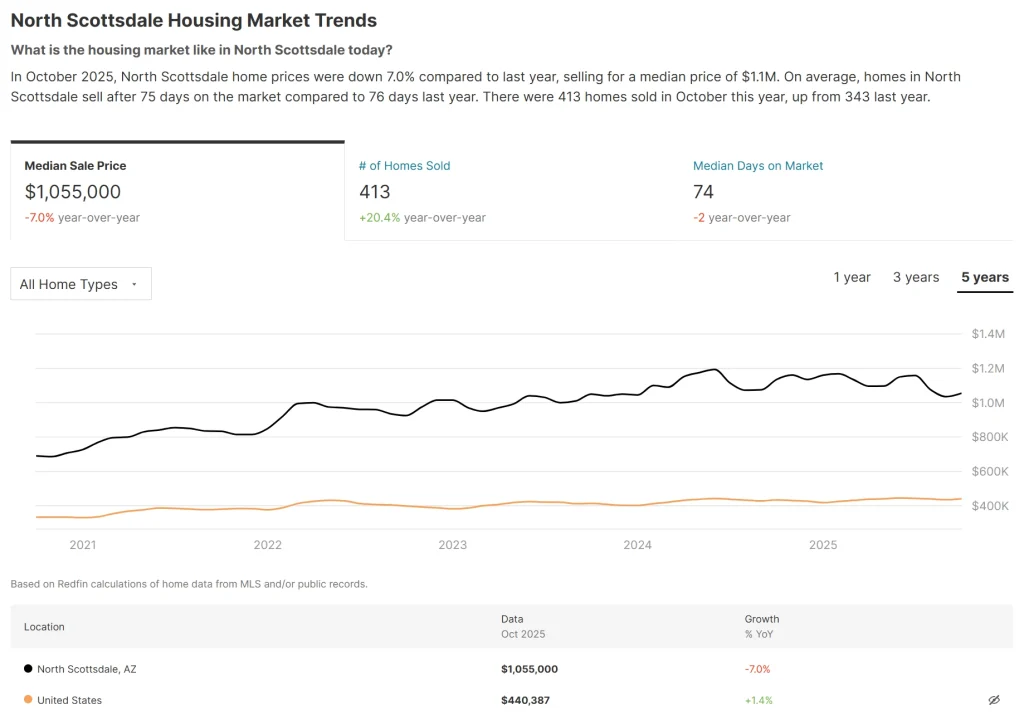
2) North Scottsdale: Luxury and Stability
- Core Advantages: North Scottsdale is a traditional high-end luxury market, boasting top-tier golf courses, resorts, and bespoke mansions. Its clientele is affluent, which makes the market self-contained and relatively less volatile.
- Water Resource Supply: Despite heavy reliance on the Colorado River, the city’s major investments in water management and conservation technologies have ensured a relatively secure water supply—though at the cost of high water bills.
- Market Performance: Investing here means you’re not just buying a property, but a rare, stable asset representing a signature lifestyle.
3) Tempe: An Inexhaustible Source of Vitality
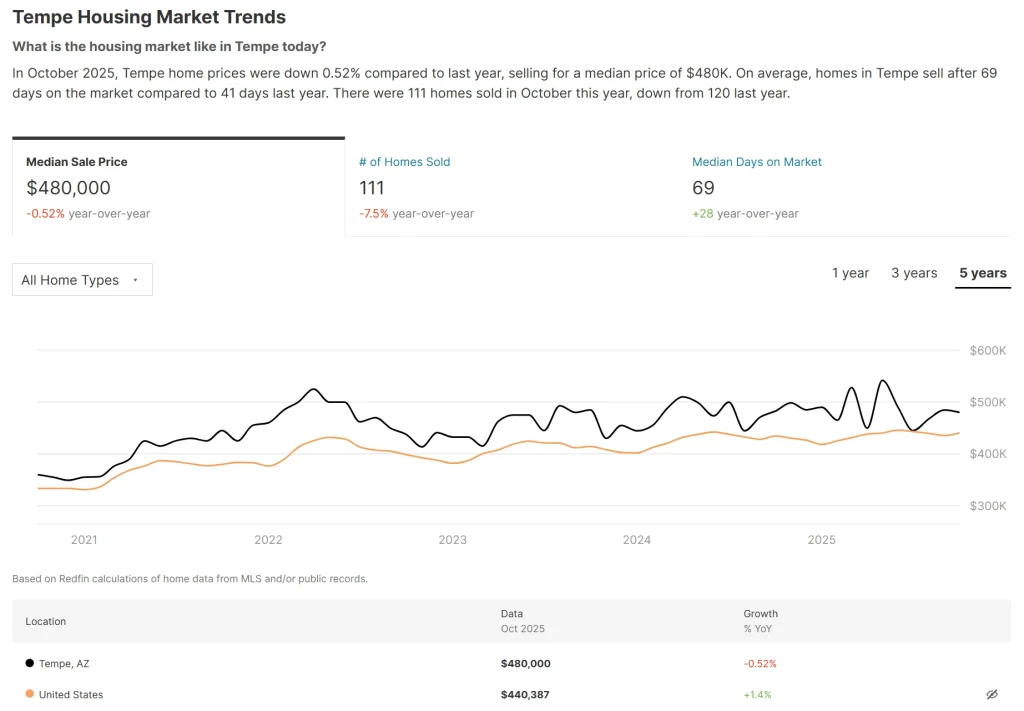
- Core Advantages: As the home of Arizona State University, Tempe is always vibrant. It attracts a large number of students, faculty, and university-affiliated tech companies and startups. The large and continuous demand for leasing provides investors with a stable cash flow.
- Water Resource Supply: Thanks to its diversified water supply sources and forward-thinking water management strategies, Tempe’s water security is second only to the Chandler & Gilbert area in Phoenix.
- Market Performance: Located in the absolute heart of the Phoenix metropolitan area, the apartment and townhouse market here is very active. Investing here means buying rental assets that will generate consistent rental income.
Conclusion
The story of Phoenix real estate is a grand narrative of innovation, management, and resources. It demonstrates that through forward-thinking policies, the application of technology, and economic restructuring, humanity can create miracles even in unsuitable environments. However, this miracle will inevitably exacerbate the value differentiation between the core area and the periphery. Investing here is not just about owning a property; it’s about placing long-term trust in humanity’s top-tier resource management capabilities.
Sources of Population Data: World Population Review
Sources of Housing Price Trends: Redfin
Related Reading