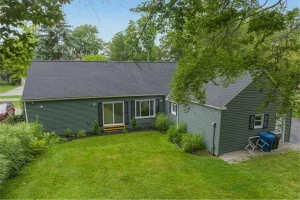
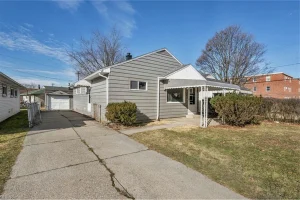
As we cross into the second half of 2025, the U.S. property market stands at a critical intersection: persistent inflation, rising construction costs, a rebound in foreign investment, and growing geopolitical uncertainty. For investors in Hong Kong, this dynamic landscape presents both risks and rare opportunities — especially in high-potential, undervalued markets like Ohio.
📉 Mortgage Rates & Regional Market Performance
Mortgage rates remain elevated at ~6.7% for a 30-year fixed loan, which continues to dampen affordability for local buyers. However, the same conditions are opening the door for foreign investors, many of whom are paying in cash and facing less competition.
In terms of pricing:
- Northeast: Leading the pack with +7% YoY growth, driven by strong demand and tight inventory.
- South & West: Areas like Texas and Florida are showing early signs of cooling, with softening demand and rising inventory.
- Midwest (Ohio): A bright spot for yield-focused investors. Prices remain stable, offering long-term upside and income potential.
🏙️ Spotlight on Ohio: Underrated, Undervalued, and on the Rise
Why are more Hong Kong investors eyeing Ohio? The answer lies in fundamentals:
- Affordability: Median home prices are significantly below national averages.
- Stability: Markets like Columbus, Cleveland, and Cincinnati offer consistent rental demand driven by local universities, hospitals, and logistics hubs.
- Rental Yields: Higher net yields compared to coastal markets.
- Occupancy Rates: Solid tenant retention and lower vacancy across key cities.
Ohio combines reliable income with capital preservation — a key priority for overseas buyers navigating global volatility.
🌏 Foreign Investors Take the Lead
From April 2024 to March 2025, international buyers purchased US$56 billion worth of U.S. real estate — a 33% increase year-on-year, according to NAR. Notably:
- Florida (21%), California (15%), and Texas (10%) still attract the bulk of overseas capital.
- Ohio and other mid-tier states are gaining traction among investors seeking value and growth.
- 47% of all foreign buyers paid in cash, highlighting a growing trend of liquidity-driven cross-border investment.
For many, the U.S. remains a hedge against local political and currency risks — particularly for Hong Kong investors who value transparency, property rights, and USD stability.
✈️ Inbound Travel Fuels Investment
Inbound travel to the U.S. has rebounded strongly, driven by:
- Reopened borders and relaxed visa processing
- Rising interest in U.S. schools, healthcare, and retirement opportunities
- Business relocation and immigration planning
For many investors, property viewings now happen during extended U.S. visits, with decisions made swiftly thanks to digital transaction tools and remote buying services. The travel surge is particularly boosting gateway cities and university towns — where Hong Kong buyers often prioritize education-led investment.
📉 Macroeconomic Risks: Inflation, Tariffs & Geopolitics
Despite improved market confidence, several headwinds are shaping investor sentiment:
- Trump-era tariffs have returned, increasing the cost of imported goods and materials. Builders now face ~US$11,000 in extra construction costs per home.
- Inflation has edged back to ~2.9%, influenced by trade policies and supply chain disruptions.
- Middle East conflict is contributing to global economic uncertainty, particularly in energy and commodities — indirectly affecting U.S. real estate development timelines and input costs.
While these risks may put pressure on the supply side, they also reinforce the resilience and attractiveness of completed properties in safe, income-generating markets.
🔮 Outlook: Where to Focus in H2 2025
For Hong Kong investors, the second half of 2025 calls for a balanced, location-driven strategy:
- Focus on mid-tier growth markets like Ohio that offer stable income and upside potential.
- Consider cash acquisitions to sidestep high borrowing costs.
- Leverage inbound travel opportunities to view properties, set up banking, and meet tax/legal advisors.
- Monitor tariff and inflation trends that may further impact supply, pricing, and demand.
📌 Final Thought
The U.S. real estate market is shifting — not collapsing. For Hong Kong investors, this is an opportunity to act while local buyers hesitate, and before another upcycle drives prices higher.
Want personalized advice or property recommendations in key U.S. markets?
👉 [Get in touch with our investment team]
👉 [Read More U.S. Property Insights]: